
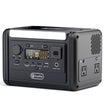
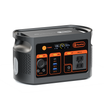
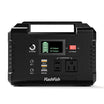

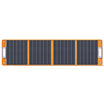

Quick answer: Start a home backup power plan with a short list of essential devices, then collect the exact label and manual details for each one. Compare those requirements with the documented output, ports, and capacity of the power source. A portable power station can support compatible loads within its limits, but it is not automatically a whole-home solution and its capacity alone does not guarantee runtime.
Choose the loads that matter first
During an outage, use available energy for the tasks your household has prioritized. A practical list may include communication, basic lighting, and another small device that has been checked in advance. Medical equipment, heating, refrigeration, pumps, and home wiring require separate manufacturer or professional guidance.
Read every device label and manual
Record the device's input, connection type, starting demand when applicable, and any limits in its manual. A product category such as "refrigerator" or "heater" is not enough because two devices in the same category can have very different requirements.
- Confirm the required voltage and connection path.
- Check continuous demand and startup or surge behavior.
- Use the device manufacturer's approved power instructions.
- Stop when a required value is missing or the connection is uncertain.
Keep output and capacity separate
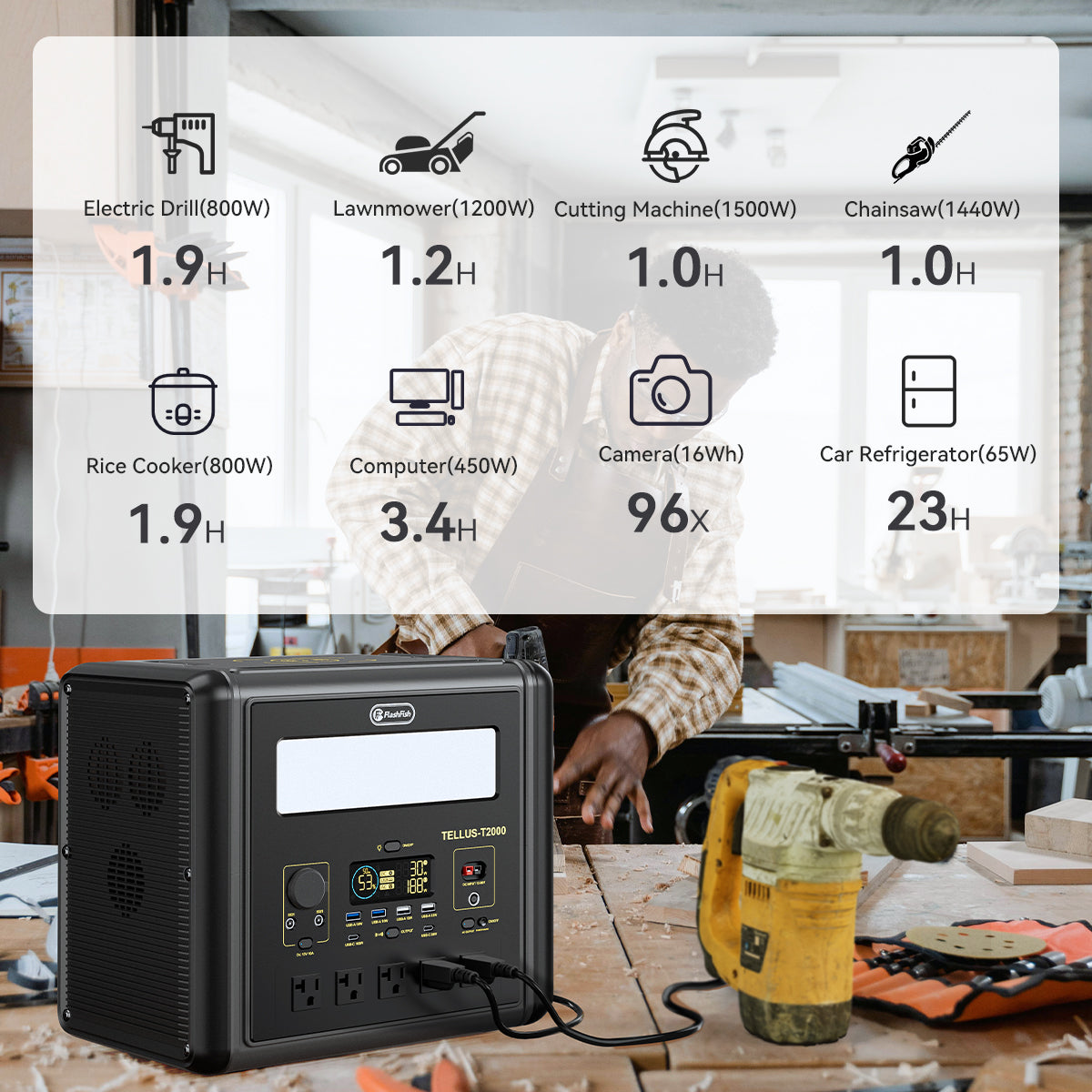
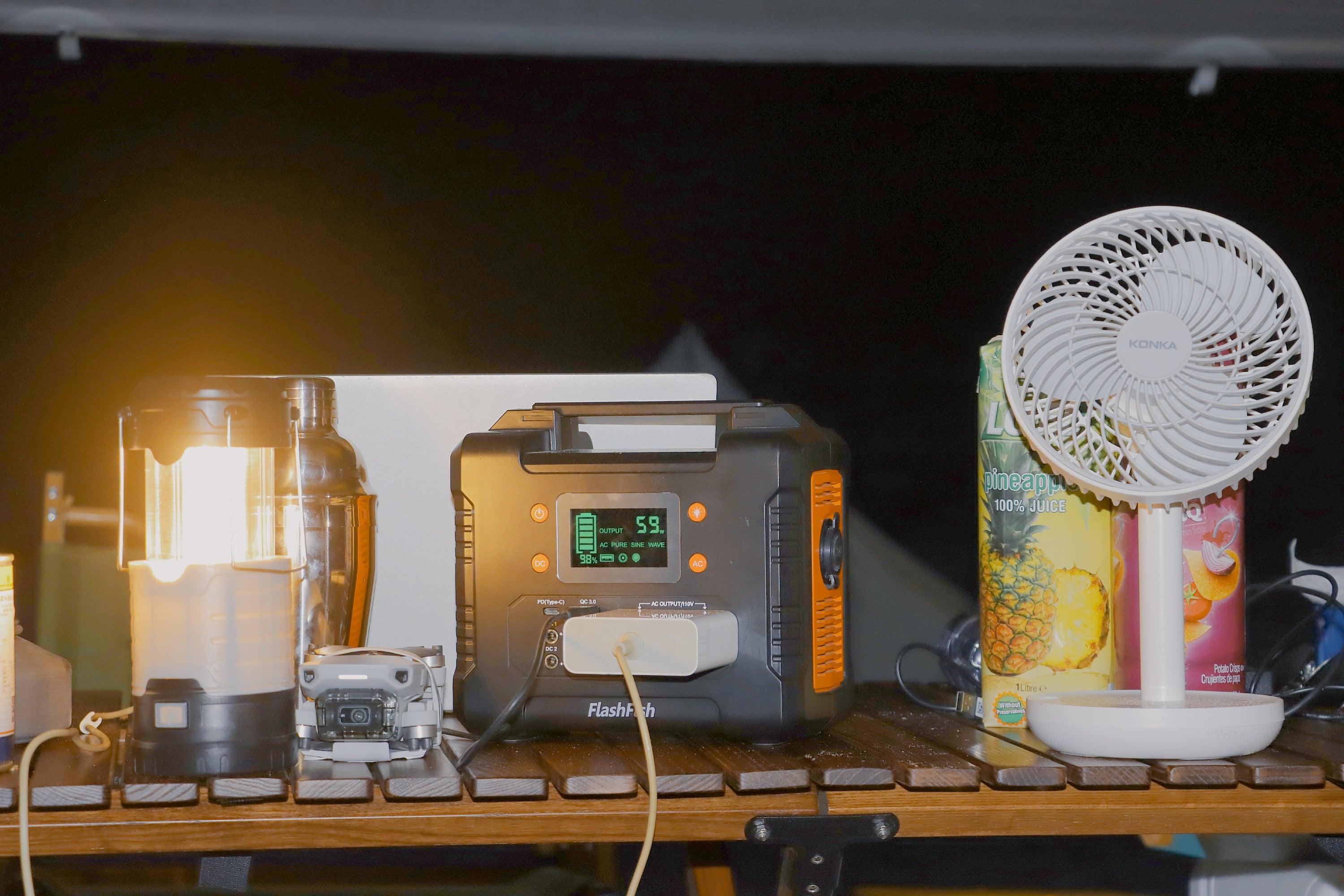
Output describes whether a power source can support a load at a given moment. Capacity describes stored energy. Both checks matter, but passing one does not mean the other passes. Port-specific limits and the total combined load also need to remain within the product documentation.
Treat runtime as an estimate, not a promise
A simple capacity-to-load calculation is only a planning estimate. Actual operating time varies with conversion losses, battery condition, temperature, startup behavior, power-saving settings, and changes in the connected device. Test the exact setup before an outage without relying on a best-case number.
Use solar charging as a conditional top-up option
Solar input can vary with sunlight, weather, shade, panel angle, temperature, cable and connector compatibility, and the receiving power station's input limits. Verify the exact panel and power-station manuals before connecting them. Solar charging should not be described as guaranteed continuous backup.
Prepare before the outage
- Charge the power station and communication devices before forecast severe weather.
- Keep the correct cables and manuals together.
- Inspect cables, connectors, and the enclosure before use.
- Keep equipment dry and follow its storage, charging, temperature, and ventilation instructions.
- Maintain a separate household emergency kit and communication plan.
Review the official Ready.gov power outage guidance and emergency supply checklist.
Compare current FlashFish records
Browse the current FlashFish portable power station collection, then use the exact product page and manual for the model under consideration. Contact FlashFish Support when a required specification or manual is not available.
Frequently asked questions
Can one portable power station run an entire home?
Do not assume that it can. Whole-home backup involves combined loads, startup demand, wiring, transfer equipment, and installation requirements that are outside a simple portable-device comparison.
Does a larger watt-hour number guarantee longer runtime?
No. Capacity is one input to an estimate. The connected load, conversion losses, operating conditions, and battery state also affect actual operating time.
What should I verify before buying?
Verify the exact device label, connection method, continuous and startup demand, required operating time, and the power station's documented output, port, capacity, charging, and environmental limits.

Leave a comment
เว็บไซต์นี้ได้รับการคุ้มครองโดย hCaptcha และมีการนำนโยบายความเป็นส่วนตัวของ hCaptcha และข้อกำหนดในการใช้บริการมาใช้