

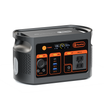
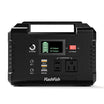

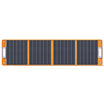
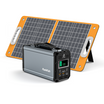
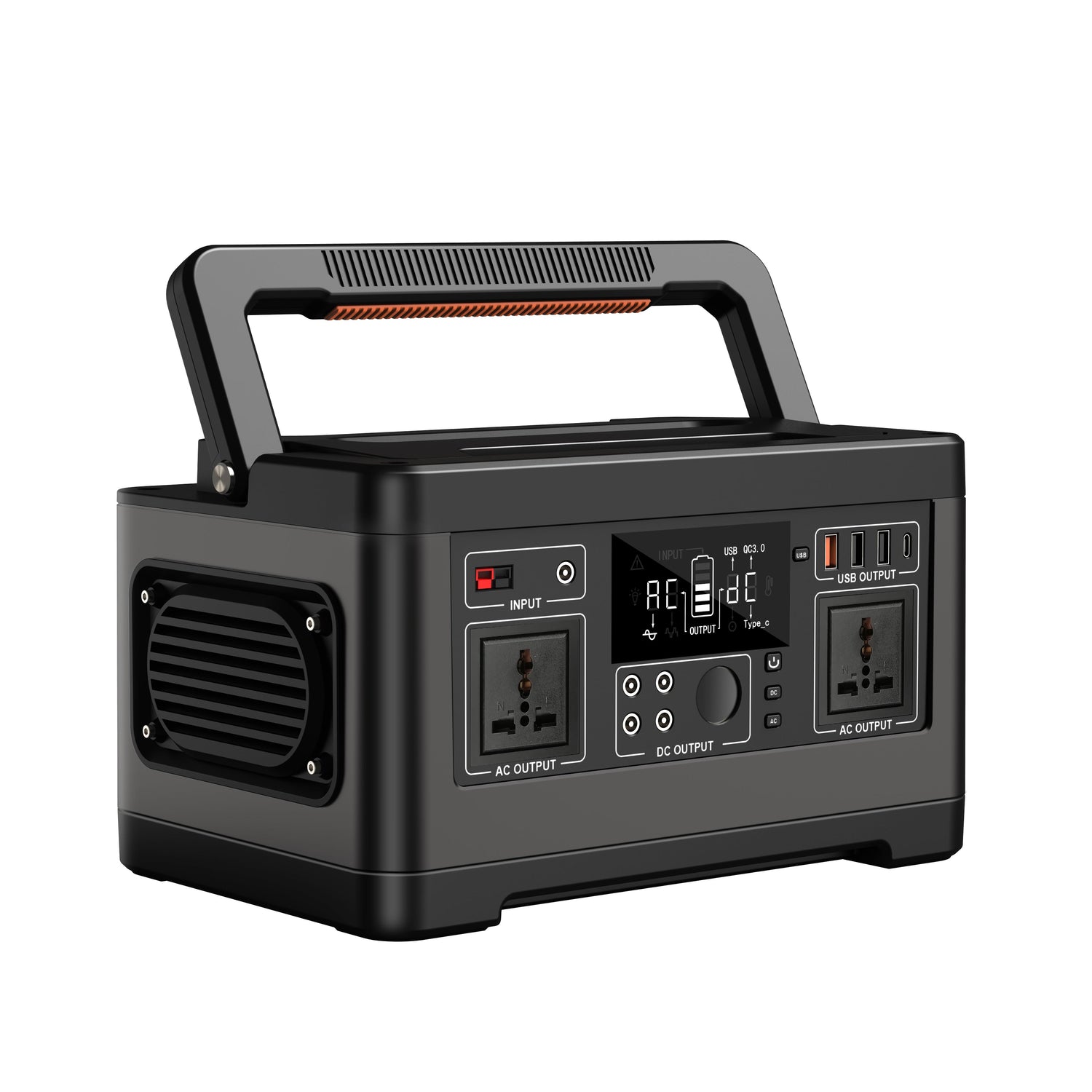
Short answer: a home backup battery is generally an installed system for broader or automatic backup, while a portable power station is a movable battery for selected essential loads. A portable station is usually the simpler lane for renters, apartments, home offices, phones, lights, routers, and laptops. FlashFish fits the portable essential-load lane; it should not be described as hardwired whole-home backup.
Both categories store electricity, but they solve different outage problems. The right choice depends on what you need to keep running, how long the outage might last, whether you own or rent, and whether you need automatic switchover or manual plug-in backup.
Definitions
Installed home backup battery: a home energy system that is usually designed around fixed installation, broader household backup, electrical integration, and often a larger capacity plan. This article does not provide wiring, transfer-switch, panel, or code advice.
Portable power station: a movable battery with built-in outputs for selected devices. Users manually charge it, place it, and plug in supported loads. It is best understood as essential-load backup rather than whole-home backup.
Decision Table
| Outage need | Portable power station fit | Installed home battery fit |
|---|---|---|
| Apartment or renter backup | Strong fit when loads are selected and manually plugged in. | Often limited by installation rights, building rules, and cost. |
| Router, laptop, phones, and lights | Strong fit with proper watt-hour sizing and output limits. | Can work, but may be more system than the user needs. |
| Refrigerator or high-surge appliance | Requires careful surge, runtime, and food-safety review; no guarantee should be made here. | May be more appropriate when designed professionally for the load. |
| Whole-home automatic backup | Not the right category. | Usually the category to investigate with a qualified installer. |
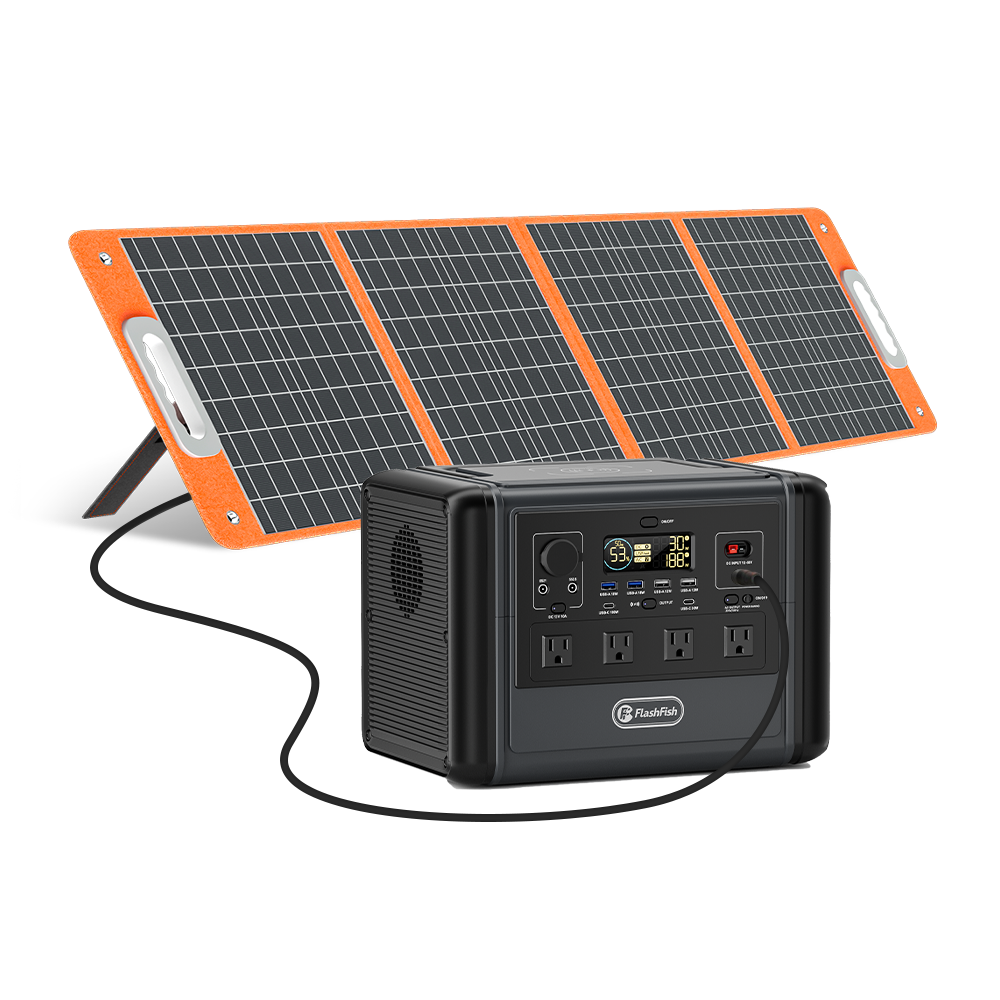
| Solar recharge and portability | Useful for camping and outage crossover when input limits and sunlight conditions are understood. | Can be part of a larger fixed system, but design is outside this article. |
Essential-Load Planning
| Load | Decision question | Risk caveat |
|---|---|---|
| Phone | How many people need charging, and how many times? | Small load, but easy to underestimate for a family. |
| Router or modem | What is the combined wattage of the internet equipment? | Internet service may still fail during a wider outage. |
| Laptop | What does the charger draw, and how long is the work session? | Runtime changes with workload and charger losses. |
| LED light | How many lights and evening hours are needed? | Low-watt lighting is usually a better battery use than heating. |
| Refrigerator | What are the running watts, startup surge, and safe-use assumptions? | Do not promise refrigerator runtime or food safety without specific evidence. |
FlashFish Product Fit for Essential Loads
| FlashFish option | Verified facts | Best-fit lane |
|---|---|---|
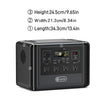
| E200 | 151Wh capacity, 200W AC continuous output, 400W peak output, modified sine AC. | Small electronics, short laptop top-ups, phones, lights, and compact backup. |
| T300PRO | 230Wh LiFePO4 battery, 300W pure sine AC output, 600W peak output, 120W solar input. | Stronger small-load backup with more output and reserve than the smallest stations. |
| T1200S | 768Wh LiFePO4 battery, 1200W pure sine AC output, 2400W peak output, 400W solar input. | Larger essential-load planning where users need more output headroom, while still manually managing loads. |
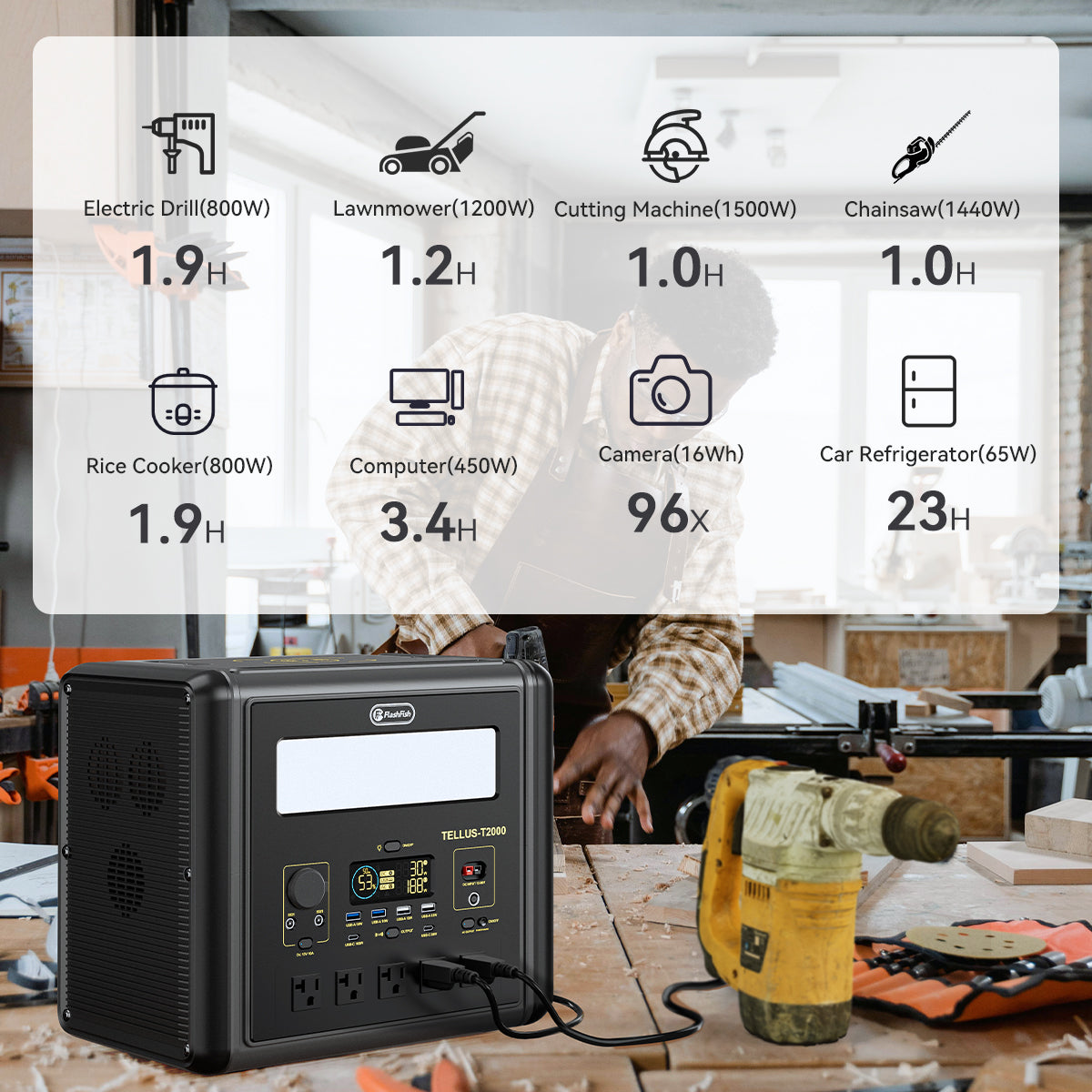
| T2000 | 1536Wh LiFePO4 battery, 2000W pure sine AC output, 4000W peak output, 600W solar input. | Higher-output portable backup planning, not a substitute for a hardwired whole-home system. |
When FlashFish Fits
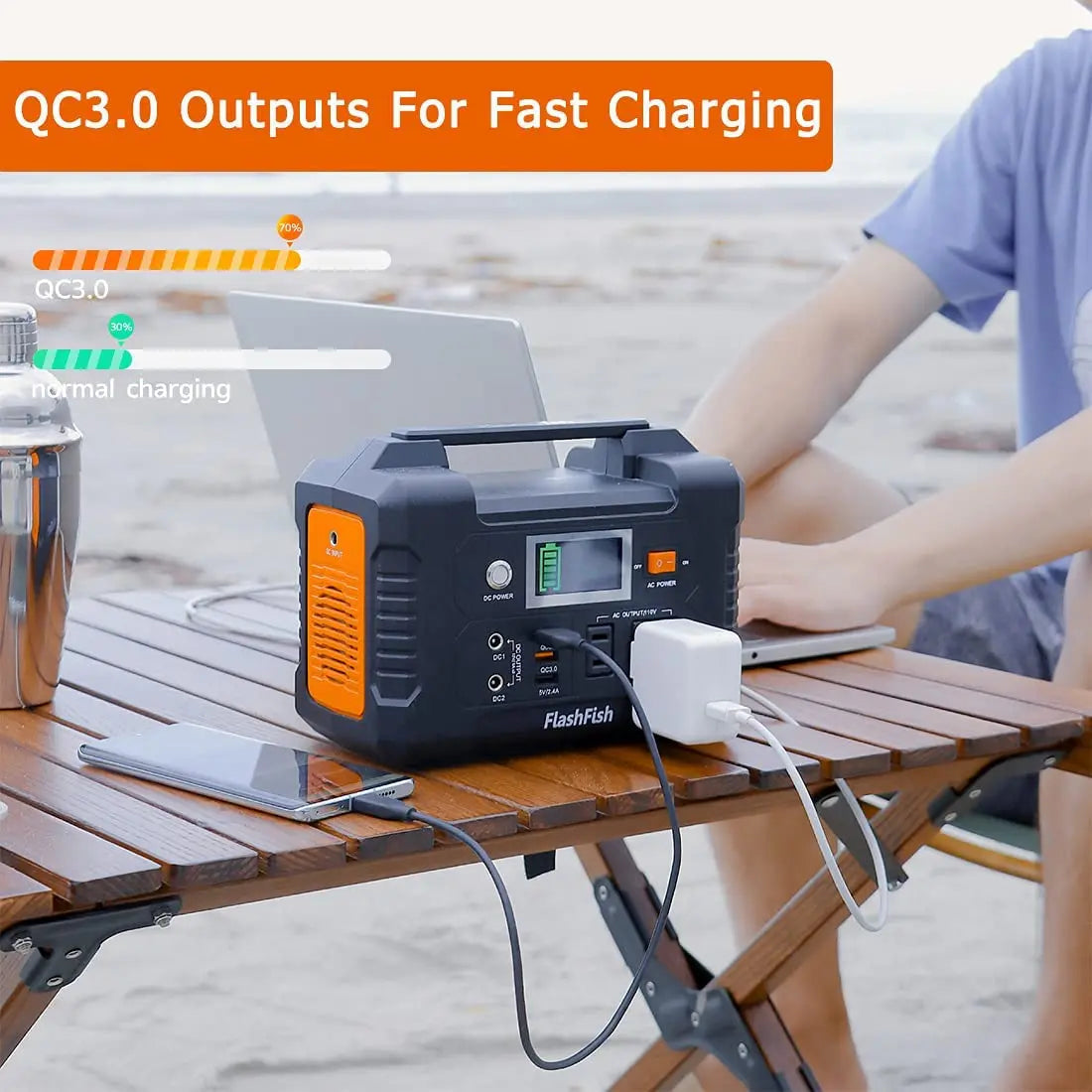
FlashFish portable power stations fit users who want manual, movable backup for selected devices. That includes renters, apartment residents, remote workers, campers who also want outage backup, and households building a small essential-load plan around phones, lights, Wi-Fi equipment, and laptops.
The same station can often serve more than one role: weekend camping, desk backup, and short outage support. That flexibility is the main portable-station advantage over a fixed system. The tradeoff is that users must size loads, manage charging, avoid overload, and plug in devices manually.
When FlashFish May Not Fit
- Whole-home circuits or automatic transfer backup.
- Hardwired installation or electrical-panel integration.
- Large HVAC, electric heating, cooking appliances, or other high-draw household loads.
- Medical-device guarantees or life-safety backup plans.
- Guaranteed refrigerator runtime or food-safety claims.
Safety and Setup Caveats
Ready.gov encourages outage planning around basic needs, communication, and safe decisions. For fuel generators, CDC warns about carbon monoxide risk and keeping generators outside. Battery power stations do not create fuel-generator exhaust, but that does not make every setup automatically safe. Keep the station dry and ventilated, avoid heat, use compatible cords, stay within rated output, and follow the product manual.
Do not plug a portable power station into home wiring unless the product and installation are specifically designed and professionally reviewed for that purpose. This article is about selected plug-in essential loads, not electrical installation.
FAQ
Is a portable power station the same as a home backup battery?
No. A portable power station is a movable battery for selected devices, while a home backup battery is generally a fixed system designed for broader household backup.
Can a portable power station back up a router, laptop, and phone?
Yes, it can be a good fit when the combined wattage is within the station's output limits and the battery capacity is sized for the expected hours. Internet service availability during an outage is a separate issue.
Can a portable power station run a refrigerator during an outage?
Maybe, but this article should not promise it. Refrigerators can have startup surge, runtime, and food-safety considerations that require model-specific review and conservative planning.
Is a battery power station safer indoors than a gas generator?
A battery station does not produce fuel-generator exhaust, but it still must be used according to the manual, kept dry and ventilated, and operated within its output limits. Gas generators should never be used indoors because of carbon monoxide risk.
When should I consider an installed home battery instead?
Consider an installed home battery when you need broader home backup, automatic switchover, hardwired circuits, or professionally designed backup for larger household loads.

发表评论
此站点受 hCaptcha 保护,并且 hCaptcha 隐私政策和服务条款适用。