


For a short charging window, set a departure target from a previous rehearsal of your next task, then check whether the same station and charging setup can reach it before outlet access ends. A charger rating alone cannot establish that target. If you have no evidence connecting the partial recharge to the energy your devices need, treat the next leg as unverified and keep a fallback.
A road-trip stop may offer enough time for a top-up without enough time for a full recharge. The useful question is whether that top-up supports the next planned device session. Start with the session and work backward, rather than beginning with a promise about minutes to full.
Define what must work after departure
Write down the next task, its duration, the actual devices, and their output paths. A phone charging through USB and a lamp using an AC adapter are different measurement boundaries. Record the starting device battery levels and settings used in the rehearsal, since changing those conditions changes what the station is asked to deliver.
Keep the essential task separate from optional use. Decide what you will omit if the top-up falls short, and what reserve you want left afterward. A successful rehearsal that ends at your chosen reserve is more relevant than an unrelated empty-to-full charging claim.
Use a matched recharge log
The most useful log pairs two observations: a timed recharge from a recorded starting condition, and a subsequent device session from the resulting condition. Keep the charger, station, input path, device workload, and endpoints consistent. Repeat the sequence before relying on it for a trip; retain the lower observed result and record variation instead of selecting only the best attempt.
A wall meter measures energy drawn from the outlet. A station input display may describe a different point in the charging path. Neither reading automatically tells you the usable energy subsequently delivered to a device. Label the measurement point, and do not transfer a threshold between meter types without a documented relationship.
| Item | What to record | Decision it supports |
|---|---|---|
| Available window | Permitted start and finish, including setup and packing time | Actual time available for charging |
| Verified input path | Exact station, original or documented charger, and cable | Whether the previous log describes this setup |
| Observed input | Meter boundary, start/end energy, and timed readings | Progress relative to the matched log |
| Target | Previously rehearsed departure condition that completed the task with your reserve | Minimum evidence-based departure condition |
| Confidence | Repeat count, range, and changed conditions | Whether the result is transferable |
| Go/no-go | Target reached, missed, or not verifiable; named fallback | Whether to rely on the station for that task |
Three hypothetical departure decisions
These examples illustrate planning only. They are not FlashFish charging or runtime tests.
1. A matched top-up reaches the rehearsed target
Suppose a previous same-setup rehearsal established a departure condition that completed your device session with the reserve you chose. Today's starting condition matches, and the station reaches that target inside the permitted window. That supports the same session under comparable conditions; it does not validate extra devices or a longer night.
2. Measured input falls short
Assume a wall meter records 0.040 kWh during one interval and 0.020 kWh during another. The cumulative outlet input is 0.060 kWh, or 60 Wh. If your matched recharge log used 0.080 kWh to reach its rehearsed departure condition, this session has not reproduced that input history. The 20 Wh difference is an outlet-input shortfall, not a measured deficit in usable output. Use the fallback unless other documented evidence establishes the required condition.
3. There is no matched rehearsal
A display shows charging, but the charger, starting charge level, or next-leg workload differs from your only previous observation. Record the top-up without calling it sufficient. Arrange another permitted recharge opportunity, reduce the task, or use a separately verified device-power option.
Where E103 and T300Pro fit
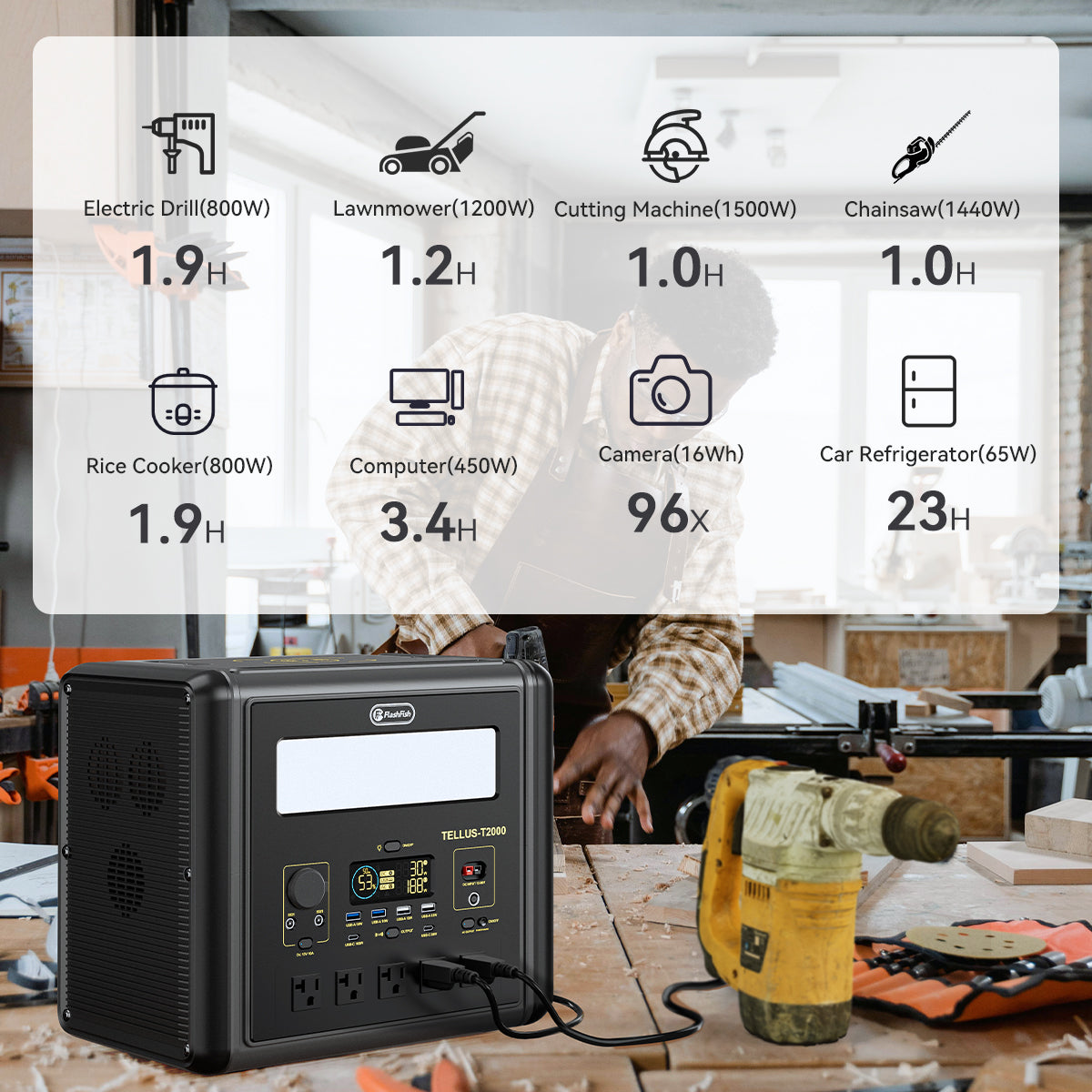
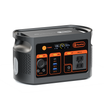
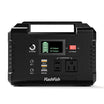
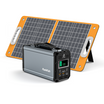
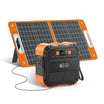
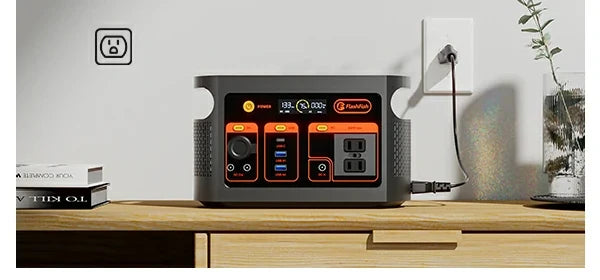
FlashFish E103 has a documented nominal capacity of 179.2 Wh, while T300Pro has 230 Wh. Their documented AC input ceilings are 100 W for E103 and 230 W at 120 V for T300Pro. These documented input ceilings are not average charging rates or evidence that a particular outlet window will be sufficient.
Confirm the exact U.S. unit, input instructions, and charging equipment before using either as a candidate. The E103 AC-output specification available for this comparison describes a 230 V regional configuration; it does not establish U.S. device compatibility. This plan does not require combining charging inputs or operating devices while charging.
FAQ
Can I divide nominal capacity by maximum input watts?
That arithmetic is not a verified recharge schedule. It assumes a constant rate and does not establish starting energy, charging behavior, or usable output after departure.
Is a battery percentage enough to set the target?
It can be part of a same-unit rehearsal log, but it is not a calibrated output-energy measurement. Record the display reading alongside the actual task outcome and reserve.
What if outlet access ends before the target is reached?
Follow the access arrangement and your equipment instructions, then use the fallback chosen beforehand. Do not extend the session by assuming permission or by removing the reserve from the plan.
Make the next stop easier to decide
Prepare the worksheet and a matched rehearsal before the trip. Once you know the departure condition you need, compare the exact E103 or T300Pro charging documentation against your available setup. Choose a model and charging path that you can verify, and write the shortfall action beside the target.
Next step: Compare FlashFish E103 specifications with your equipment list.


发表评论
此站点受 hCaptcha 保护,并且 hCaptcha 隐私政策和服务条款适用。