


Quick answer: Lead-acid established the first rechargeable battery system; nickel-cadmium and nickel-metal hydride later expanded rechargeable power into different portable and vehicle uses. "Rechargeable" describes whether a battery's chemistry can be charged again. It does not mean every battery is recyclable through the same program or that a cycle rating guarantees a fixed number of years.
Rechargeable battery history at a glance
| Chemistry | Historical contribution | Important limitation |
|---|---|---|
| Lead-acid | Established practical rechargeable storage more than 160 years ago | Heavy construction and application-specific cycling behavior |
| Nickel-cadmium (NiCd) | Supported repeated use in tools, radios, cameras, and other portable equipment | Cadmium requires chemistry-specific end-of-life handling |
| Nickel-metal hydride (NiMH) | Expanded rechargeable use in consumer electronics and hybrid vehicles | Performance and disposal rules still depend on the exact battery and application |
Lead-acid introduced rechargeability
The U.S. Department of Energy identifies Gaston Plante's lead-acid battery as the first rechargeable battery. During discharge, its electrode materials change state; charging drives the system back toward the charged state. The same broad principle applies to rechargeable batteries, but the materials, reactions, controls, and operating limits differ by chemistry.
Read the DOE lead-acid technology assessment for the historical and technical context.
NiCd and NiMH served different use cases
NiCd became common in products that benefited from a rechargeable portable pack. NiMH later became common in many consumer devices and vehicle applications. Toyota's historical technology record identifies a nickel-metal hydride battery in the 1997 Prius, an example of NiMH moving beyond small consumer cells.
The point is not that one chemistry simply replaced every earlier chemistry. Each system balances energy, power, mass, cost, temperature behavior, charging control, service requirements, and end-of-life handling differently.
A cycle rating is not a calendar-life promise
A battery cycle records cumulative discharge and recharge use under defined conditions. Partial discharges can add up to an equivalent full cycle, depending on how the manufacturer reports the rating. Temperature, depth of discharge, charge method, load, storage state, and the end-of-life threshold all affect the result.
The DOE battery fundamentals guide notes that battery reactions do not reverse completely over time. Shoppers should compare the exact model's cycle wording instead of converting a cycle count directly into years.
Rechargeable and recyclable are different terms
Rechargeability describes operation. Recycling describes what happens after useful service and depends on chemistry, battery format, local rules, and an available collection route. The EPA used-battery guide lists separate handling information for NiCd, NiMH, lead-acid, and lithium batteries. It also warns that some used batteries can retain enough energy to create a fire or injury risk.
Do not place a battery in household trash or curbside recycling based only on the word "rechargeable." Follow the product label and current local collection instructions.
What this means for FlashFish shoppers
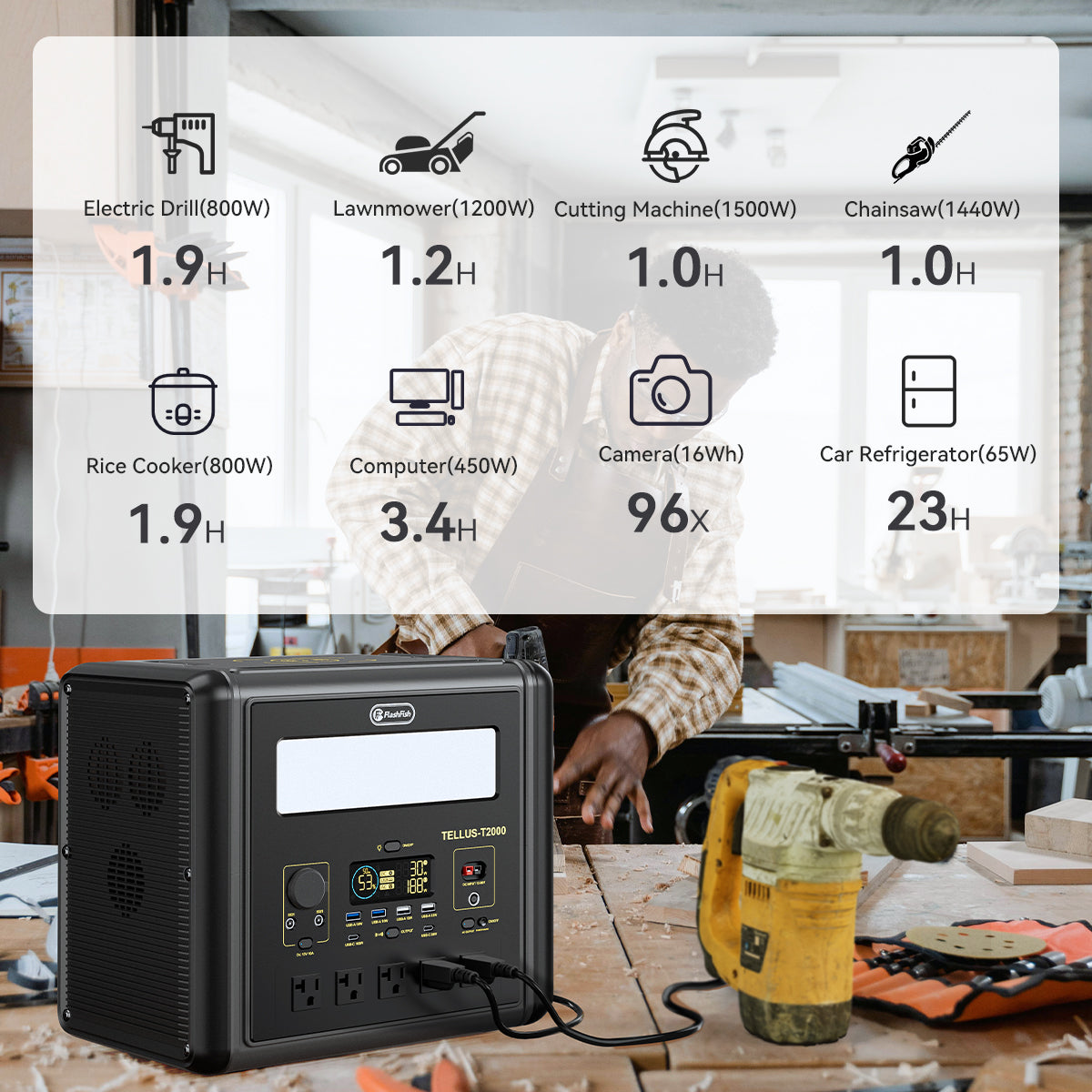
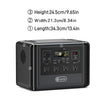
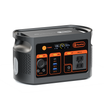
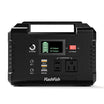
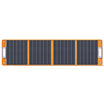
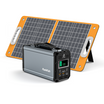
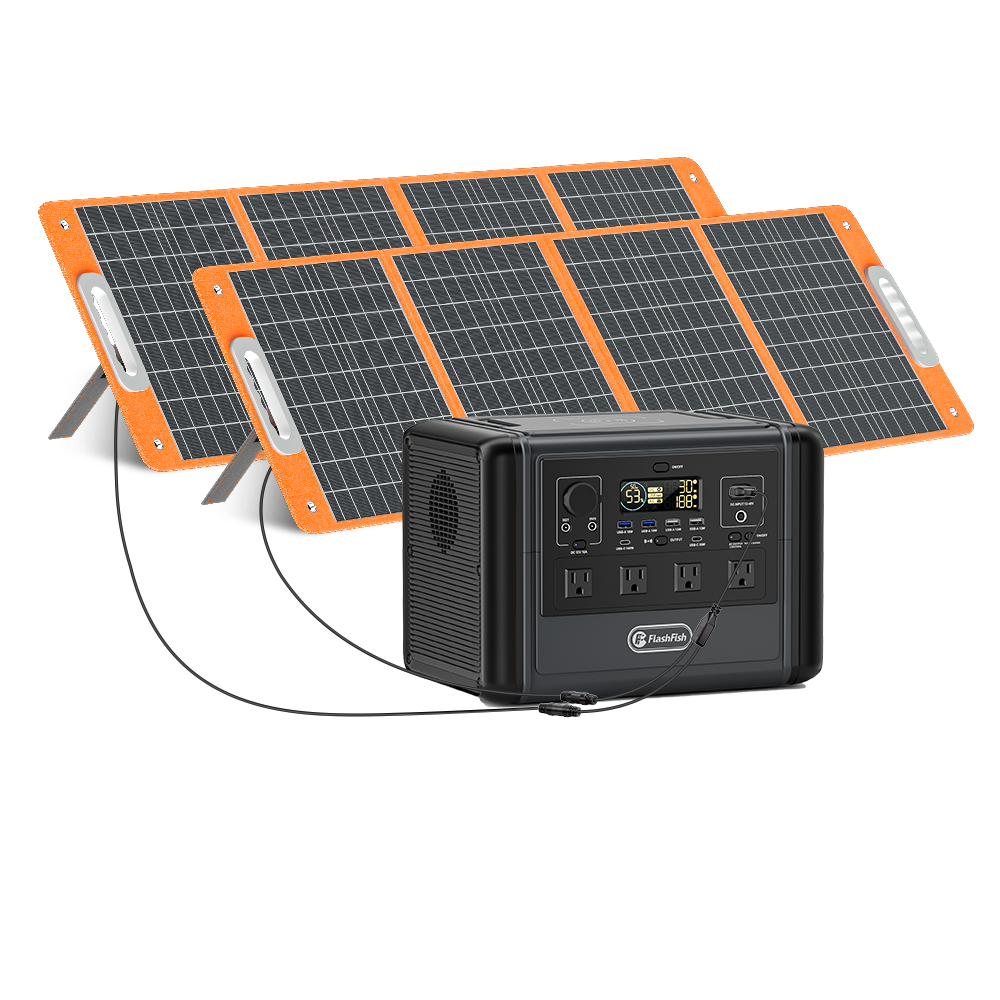
FlashFish products do not all use one battery chemistry. The local product database identifies the FlashFish E200 as lithium-ion and the FlashFish T2000 as LiFePO4. Chemistry, capacity, output, cycle wording, ports, and care instructions must be checked for the exact model.
Use the FlashFish comparison page as a starting point, then verify the current product page and manual before choosing a station.
Frequently asked questions
Was lead-acid the first rechargeable battery?
Yes. The DOE describes the lead-acid battery developed by Gaston Plante more than 160 years ago as the first rechargeable battery.
Does rechargeable mean a battery can go in curbside recycling?
No. End-of-life instructions differ by chemistry and location. Use the battery label, manufacturer instructions, and current local recycling guidance.
Does a 3,000-cycle rating equal a fixed number of years?
No. Cycle wording depends on test conditions and an end-of-life threshold, while real service also depends on temperature, discharge depth, charging, storage, and load.


发表评论
此站点受 hCaptcha 保护,并且 hCaptcha 隐私政策和服务条款适用。