



Does a Dark Power Station Screen Mean Every Output Is Off?
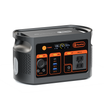
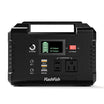
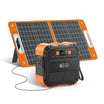
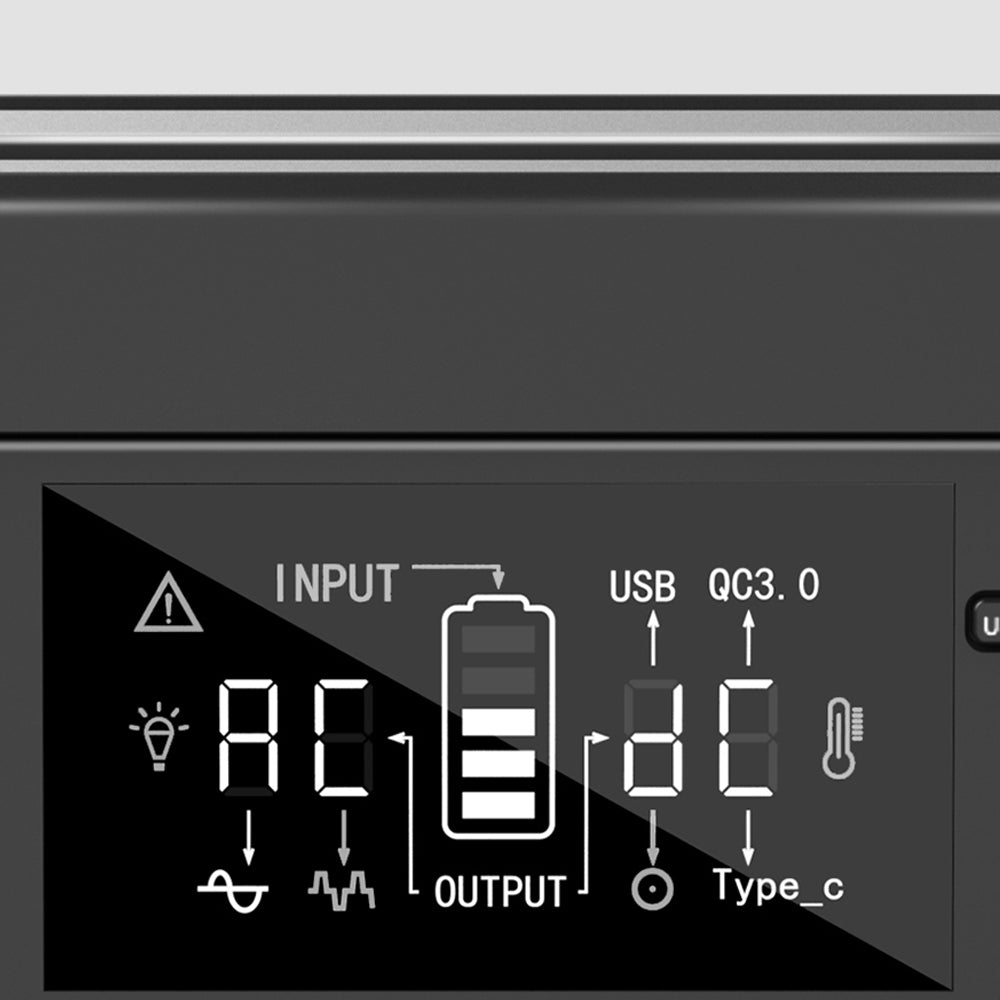
A dark screen alone does not establish that every output or the whole station is off. Match E200 or T300Pro shutdown instructions to the exact revision and resolve missing confirmation with support.
Does Every Plug-In Charging Session Count as a Battery Cycle?
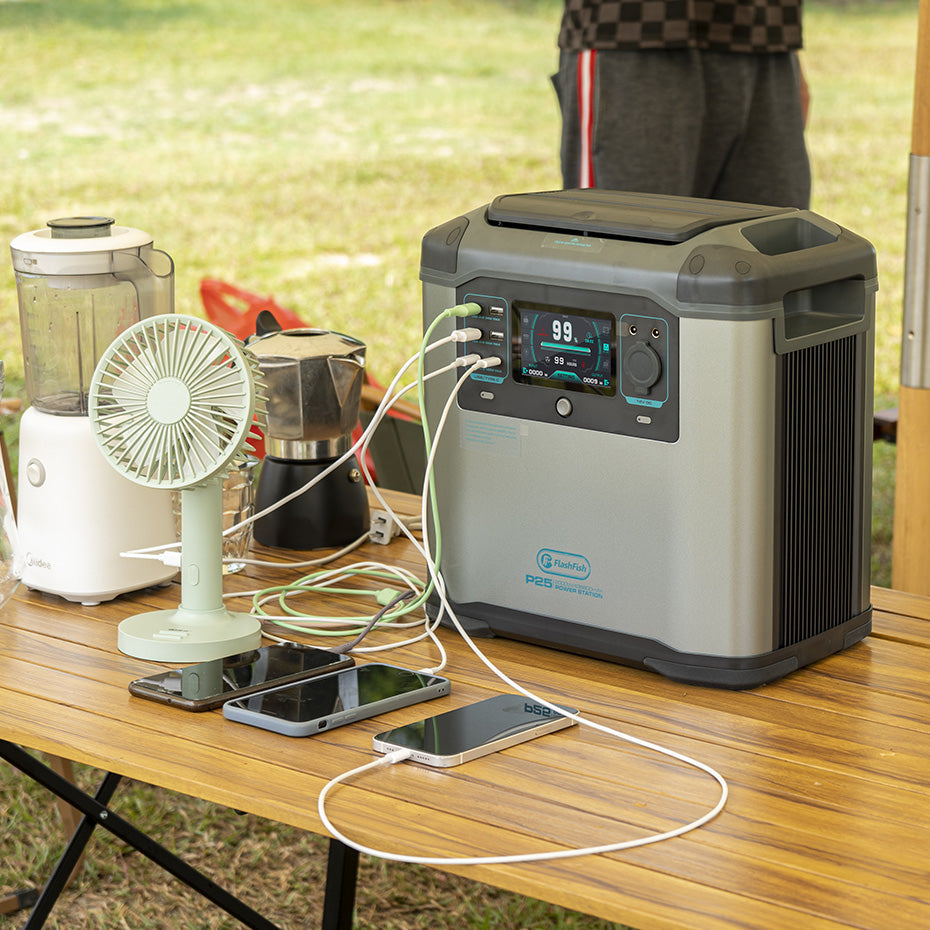
A plug-in count is not a manufacturer-defined battery cycle count. Record observed sessions separately from throughput measurements and leave cycle conversion unresolved without an applicable defin...
TSP100 Direct USB Charging: Check Resume After Changing Sunlight
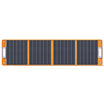
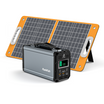
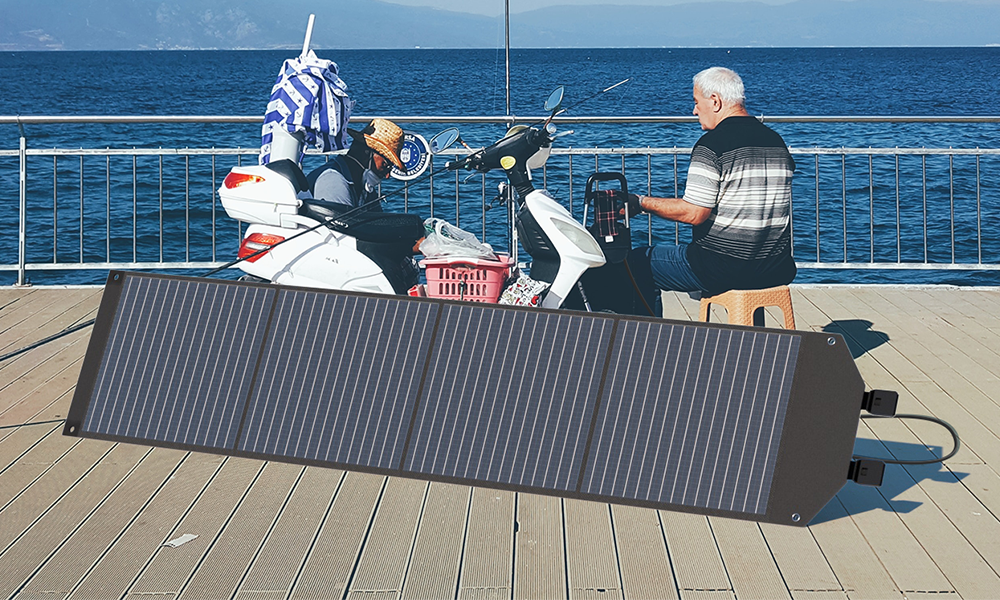
After a natural sunlight interruption, record resumed, not resumed or unknown from the device indication. Maximum port ratings do not establish automatic restart or stored energy.
Does a Battery Cycle-Life Claim Tell You the Warranty Period?
A battery cycle-life statement does not establish warranty duration, covered faults or service eligibility. Keep its retention endpoint separate from the applicable purchase terms.

Find the Right FlashFish E200 Manual When Listings Disagree
Match the E200 model label, regional output, port layout and manual source. Preserve conflicting claims and request the instructions for your exact unit when revision or specification identity is u...

Can Input Watts Minus Output Watts Tell You Battery Charging Speed?
Input minus output watts describes an external balance only when the readings match. Internal consumption, losses and measurement timing leave battery charging speed unresolved.
Why Can Charging Watts Fall Before a Portable Power Station Is Full?
Falling input watts before full do not prove a fault. Charging current may taper, but source changes and warnings also matter. Record the exact setup and display trend; follow your model's manual r...

Rehearse Laptop Charging Across Sleep, Wake and Restart
Keep an already approved laptop charging path unchanged, record its charging indication, then observe one documented state transition at a time. Repeated interruptions after the same transition giv...
Isolate a USB Charging Failure With One-Variable Cable Tests
Keep the device and approved output fixed, substitute one documented charging cable, and record what changes. A repeatable difference can narrow a USB charging problem; it cannot prove a defective ...

Can a 0W Power Station Display Still Leave a Low-Load Question Unanswered?
A displayed 0W does not prove zero device consumption. Check the display scope, documented limits, output state, and an appropriate measurement before deciding.

When Should You Stop Load-Sizing Without Device Labels?
Pause a connection decision when missing labels or manuals leave device requirements unknown. Use a checklist to identify the documentation needed before choosing a power station.
What Should You Check on a Portable Solar Panel Connector Label?
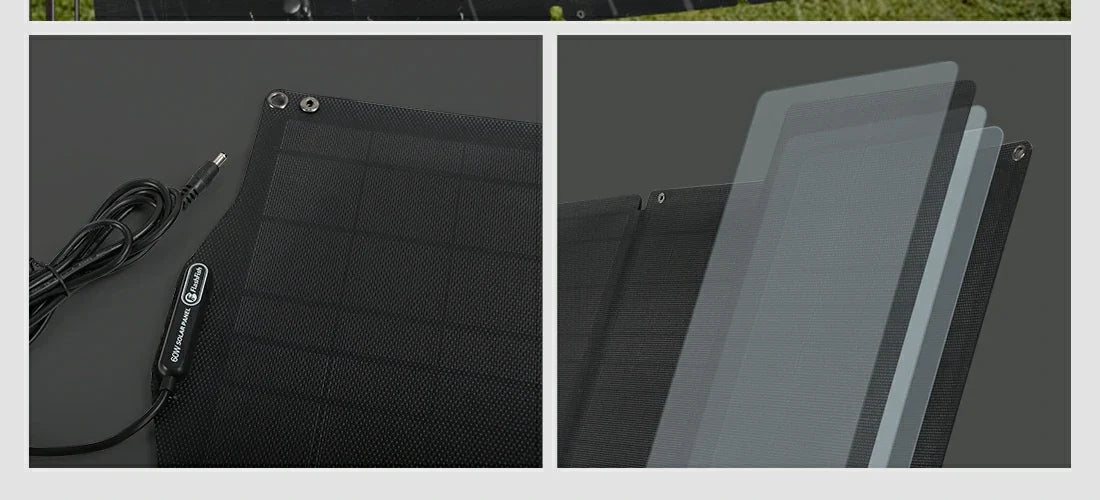
Before connecting a portable solar panel, read the panel label, the station’s input label, and both manuals. Confirm the exact model, connector designation, voltage and current information, and any...
Can a Portable Power Station Run a Small Document Scanner?
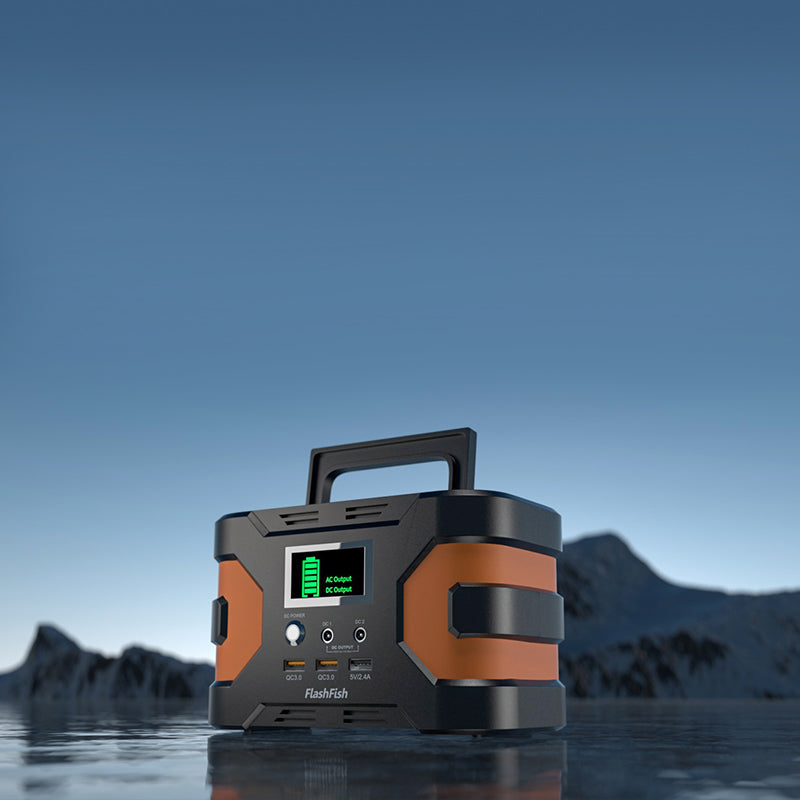
Short answer: A portable power station may be considered for a small document scanner only after the scanner’s adapter label, startup requirements, cable, and manual have been checked against the e...
How Should You Read a Portable Power Station Remaining-Time Estimate?
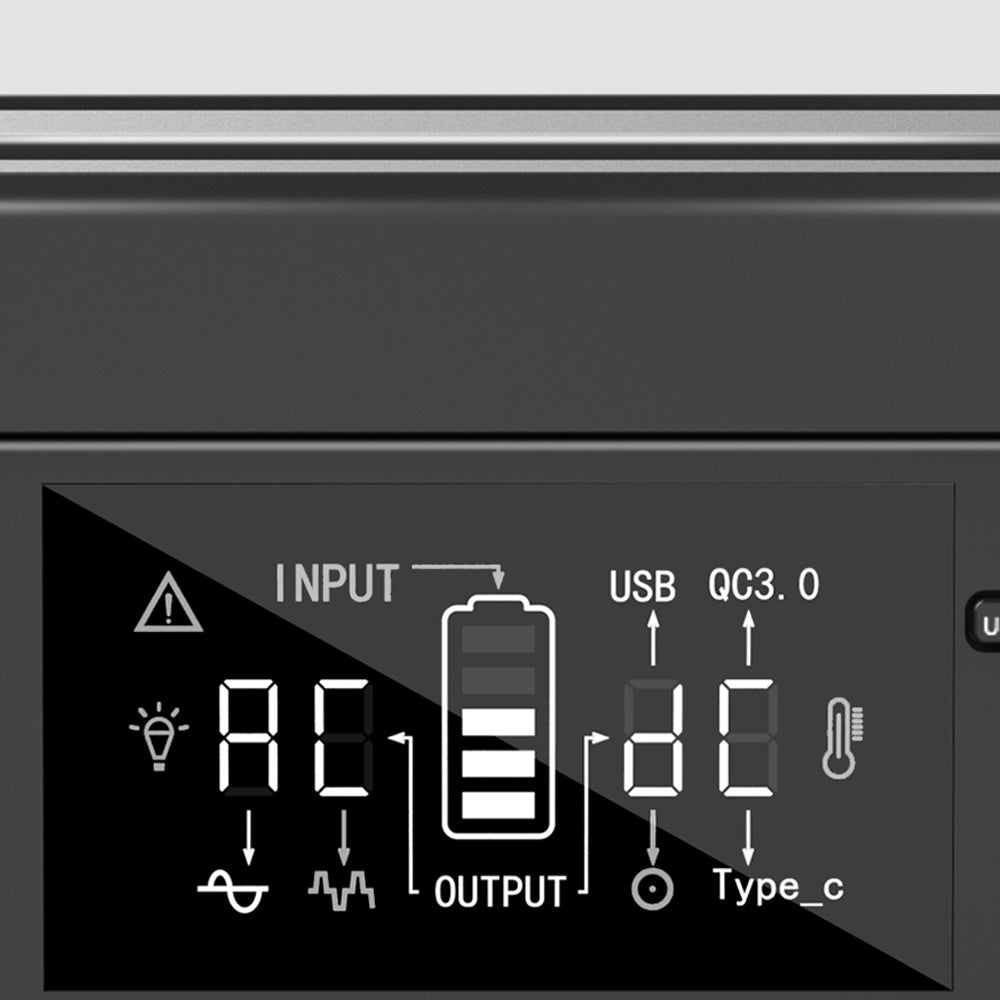
Direct answer: Treat a remaining-time estimate as a changing planning input, not a promise. Read it alongside the current connected load, the device labels, and the station’s manual; when the load ...
What Do Rated Power and Surge Power Mean on a Portable Power Station?
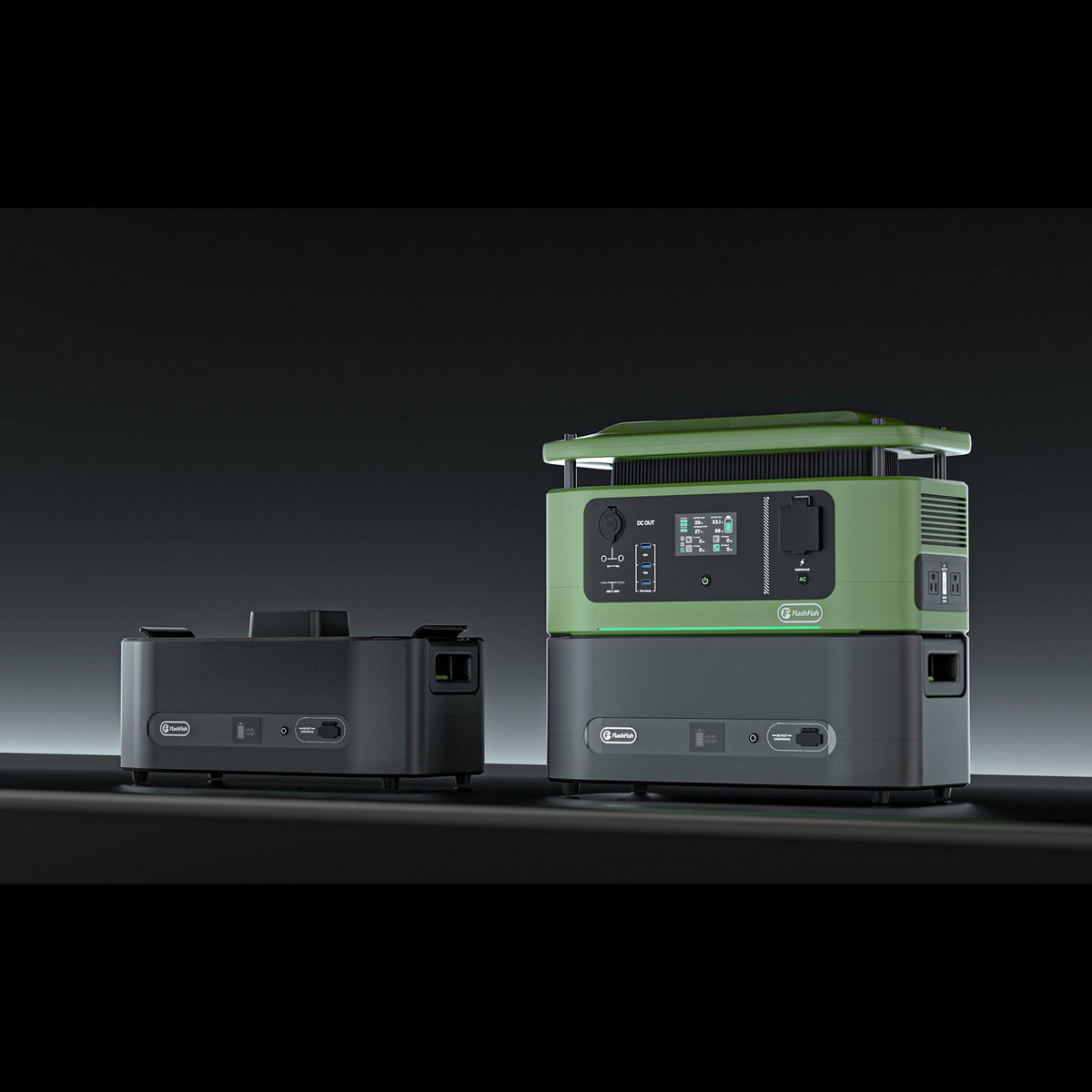
Short answer: rated power, also called continuous output, is the load a portable power station is designed to support continuously under its documented conditions. Surge or peak power is a higher, ...
Can a Portable Power Station Charge a Phone and Tablet at the Same Time?
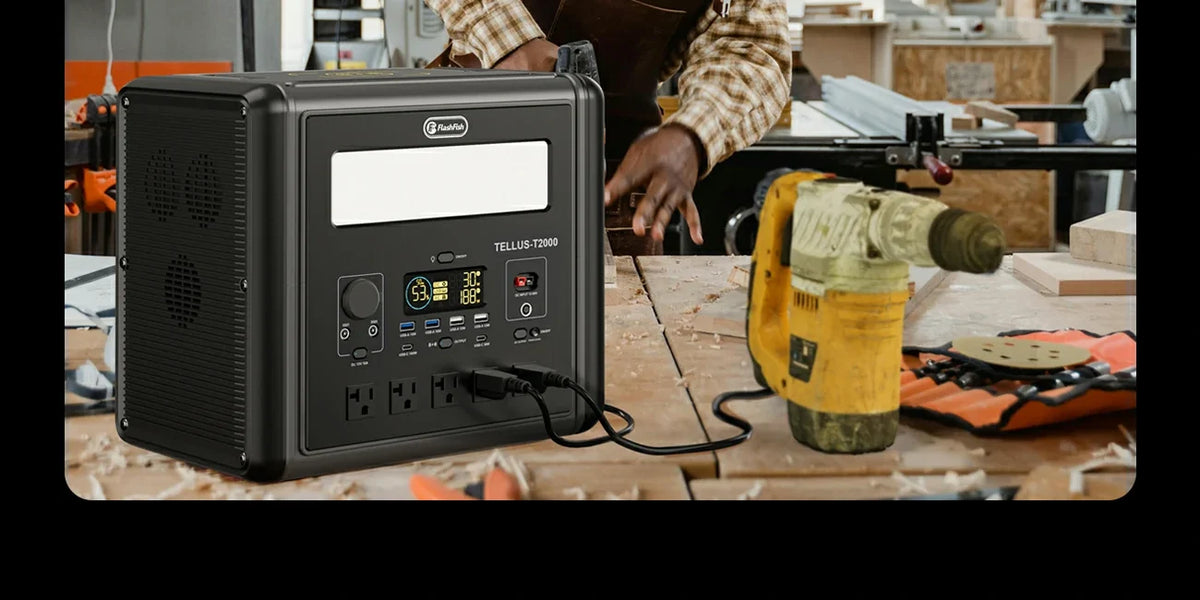
Short answer: A phone and tablet can be part of the same charging setup only after you verify the two device labels, their original cables or adapters, and the exact station outputs. Do not assume ...
How Do You Match a Device Power Brick to a Portable Power Station?
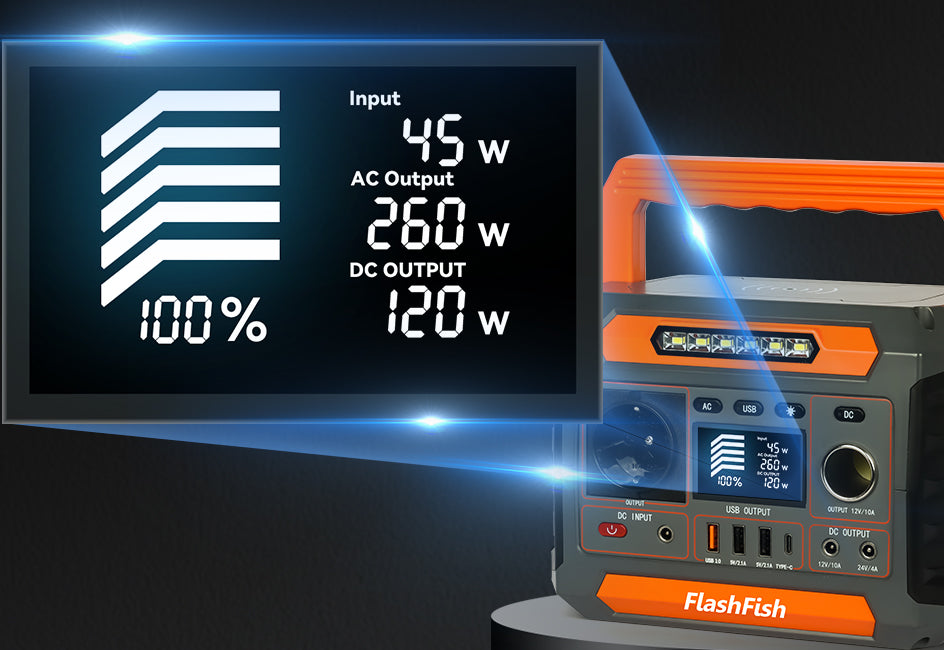
Match a device power brick to a portable power station by reading both labels, selecting the documented connector path, and stopping when any value or connector is uncertain. The power brick tells ...
Can a Portable Power Station Recharge a Two-Way Radio? Check the Label First
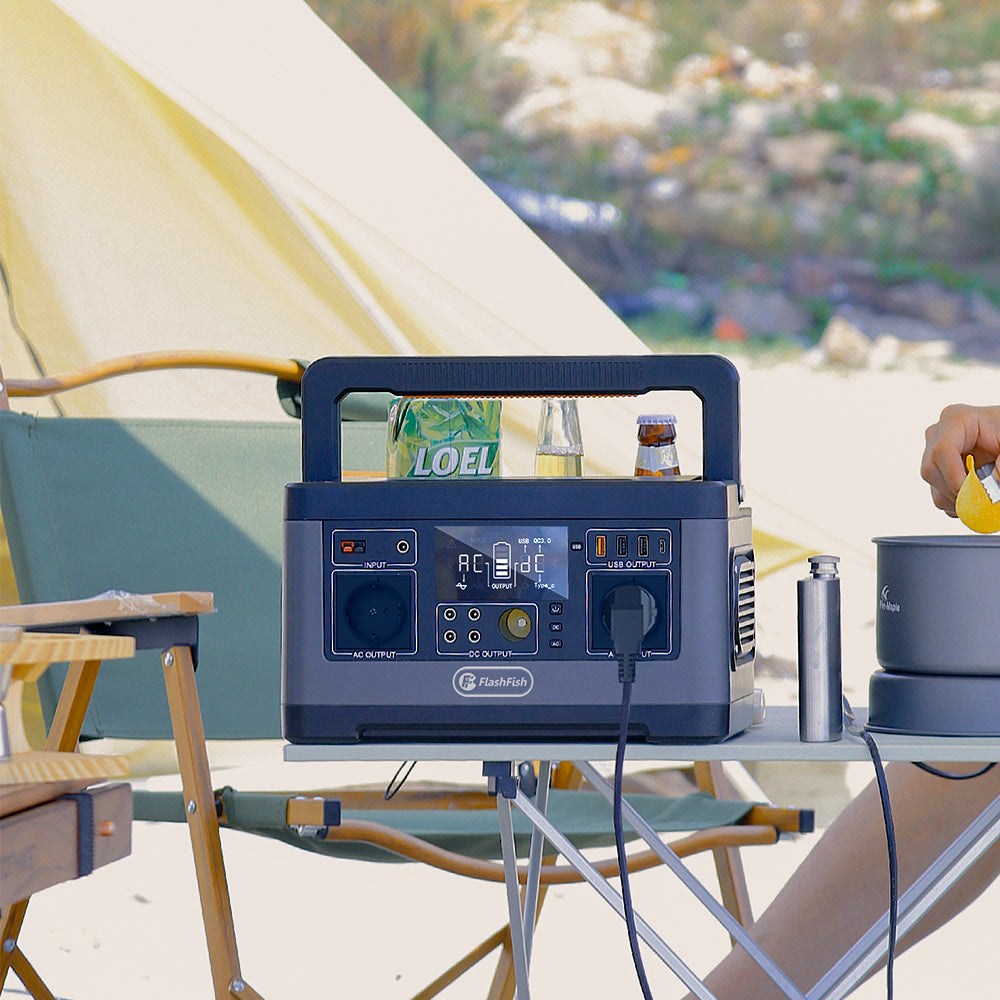
Use a documentation-first framework to evaluate whether a two-way radio's approved charging path can be compared with a portable power station output.
Can a Portable Power Station Recharge a Handheld GPS? Check the Label First
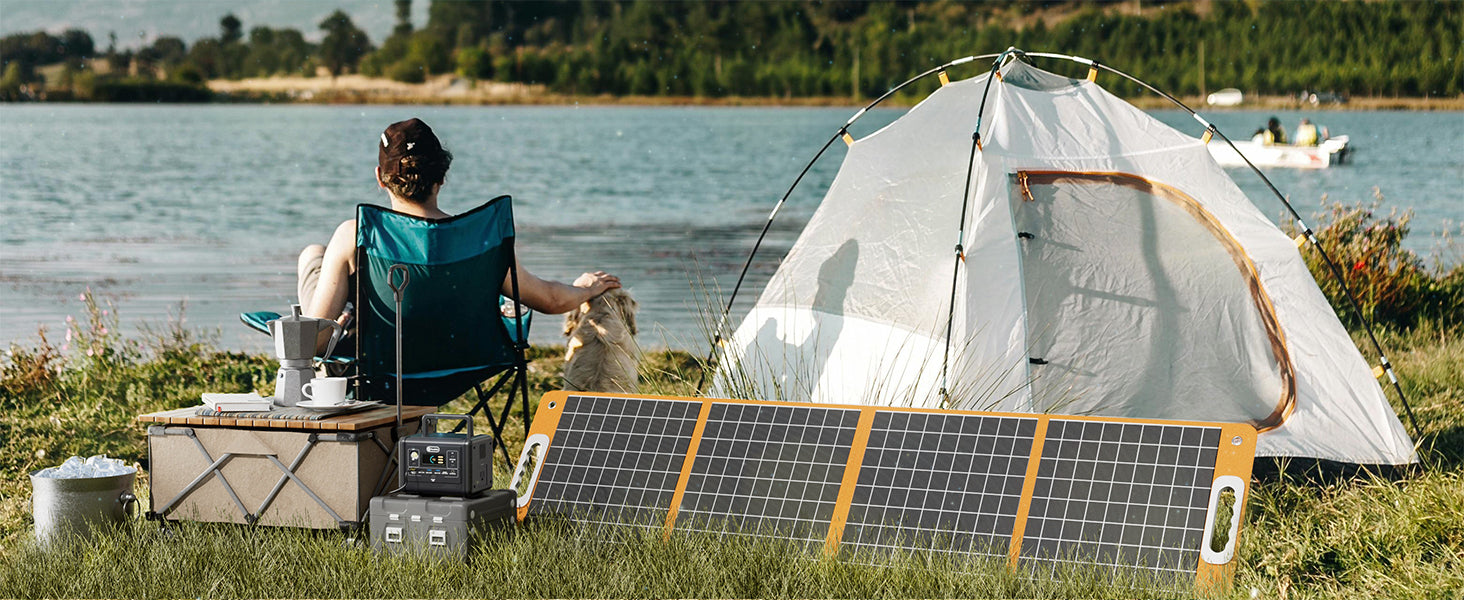
Compare a GPS manual, supplied cable or adapter, and station output record before drawing a device-specific charging conclusion.
Solar Top-Up for Camp Lighting: TSP60 or TSP100?
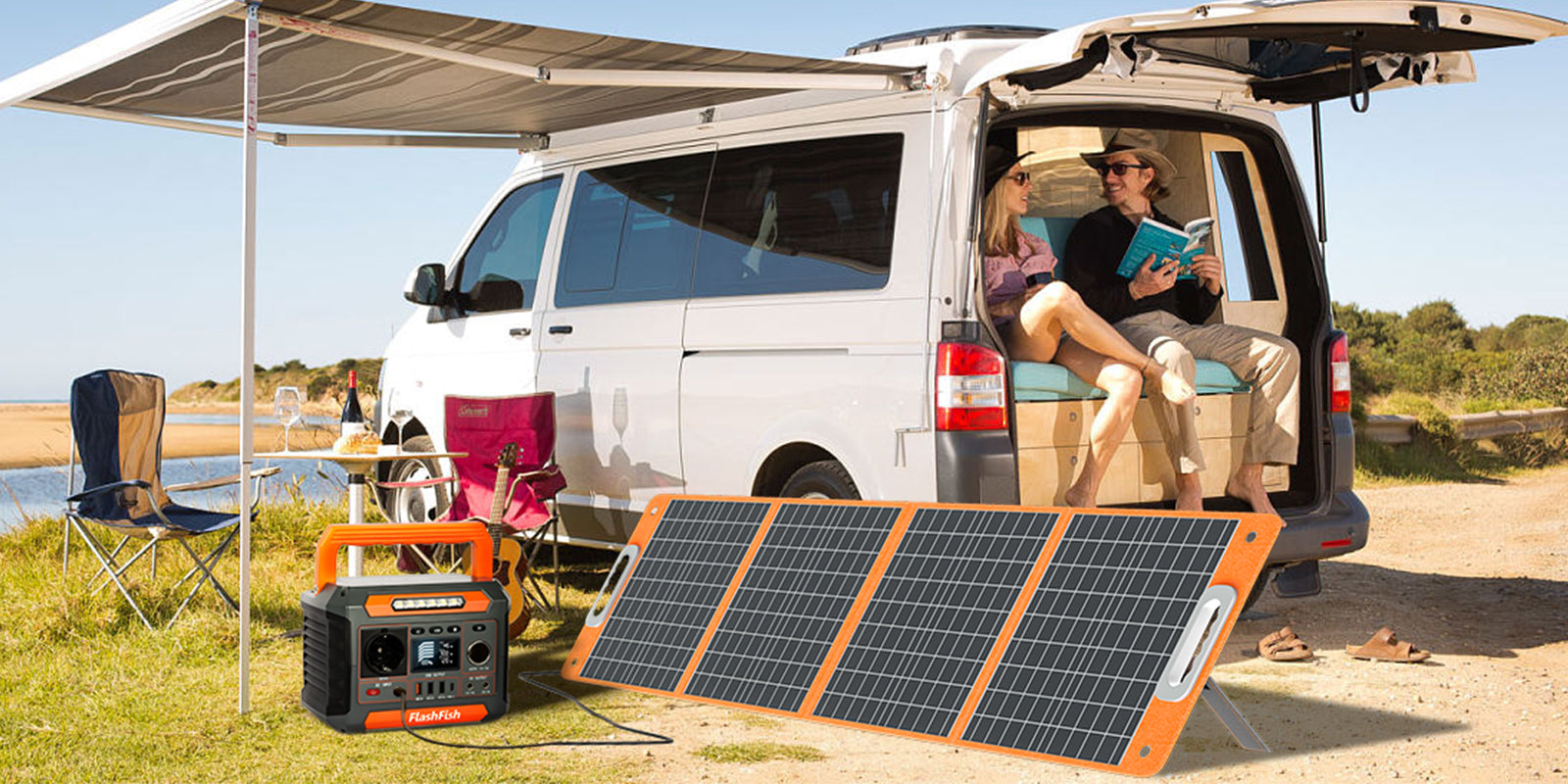
How to choose between FlashFish TSP60 and TSP100 solar panels when the goal is keeping camp lights and small devices topped up.
Can a Portable Power Station Recharge a Camping Headlamp? Compare the Label First
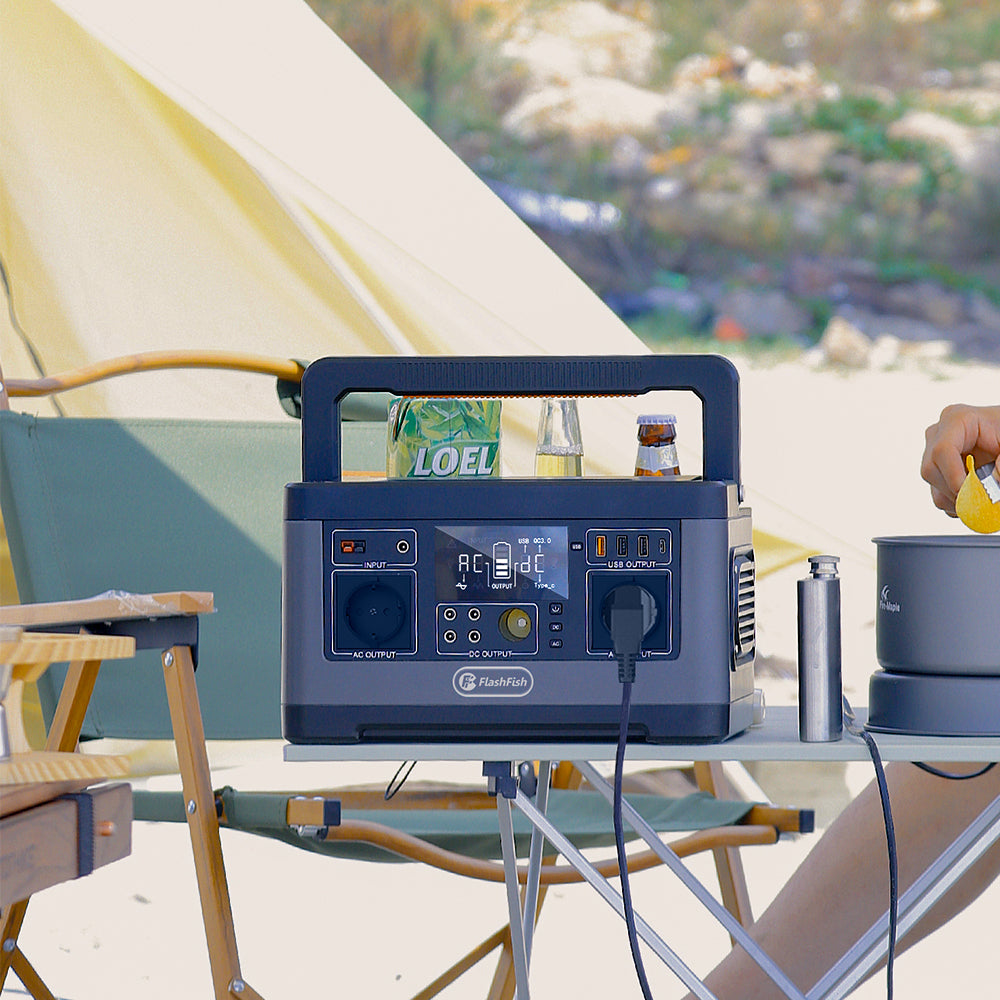
Compare a camping headlamp label, supplied charging path, manufacturer instructions, and station output record before reaching a recharge conclusion.
Can a Portable Power Station Run a Coffee Maker? Check the Rating Label First
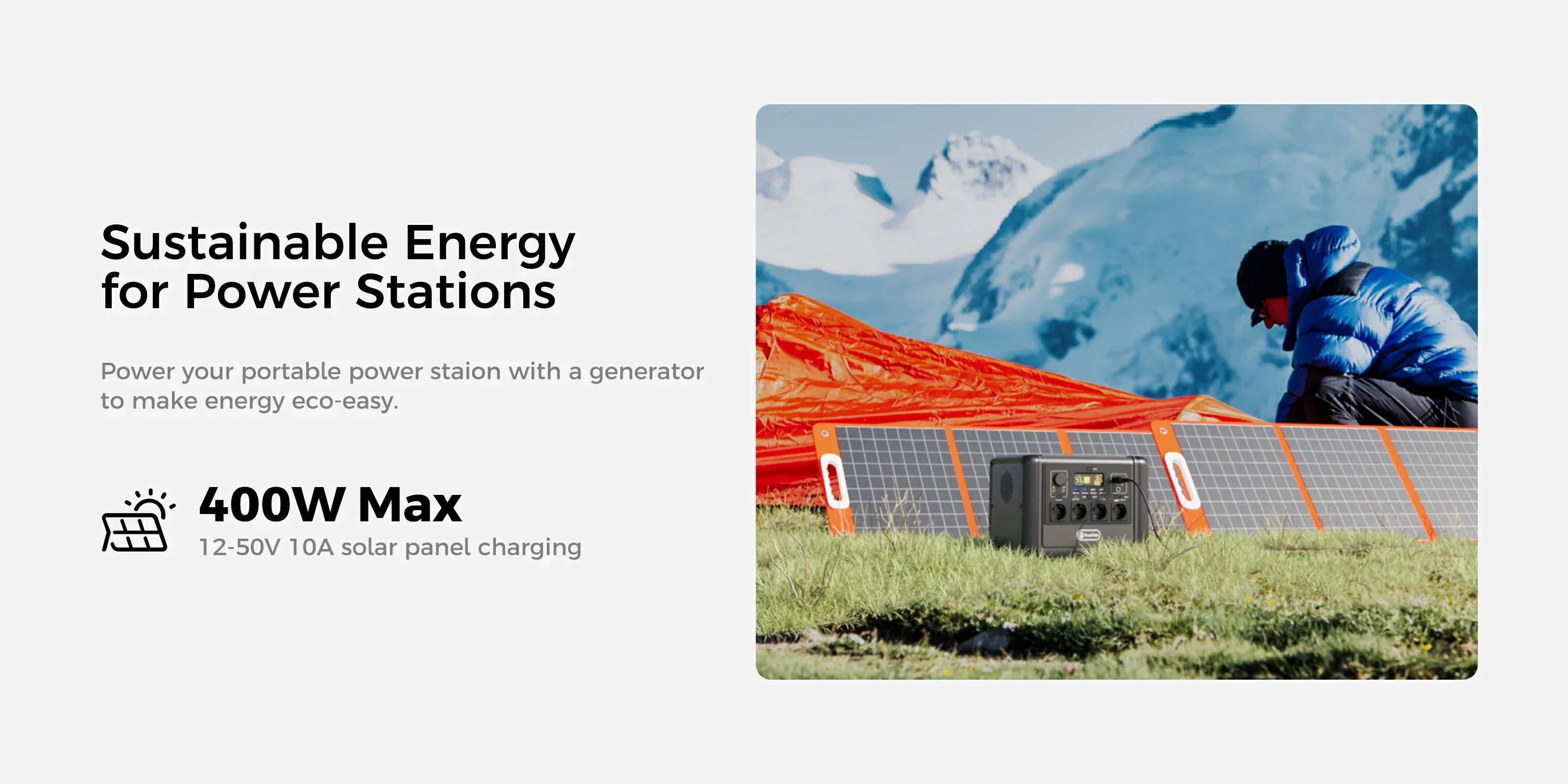
Check a coffee maker's rating label, instructions, power path, simultaneous loads, and documented station limits before reaching a portable-power conclusion.
Can a Portable Power Station Run an Air-Mattress Pump? Compare the Pump Label First
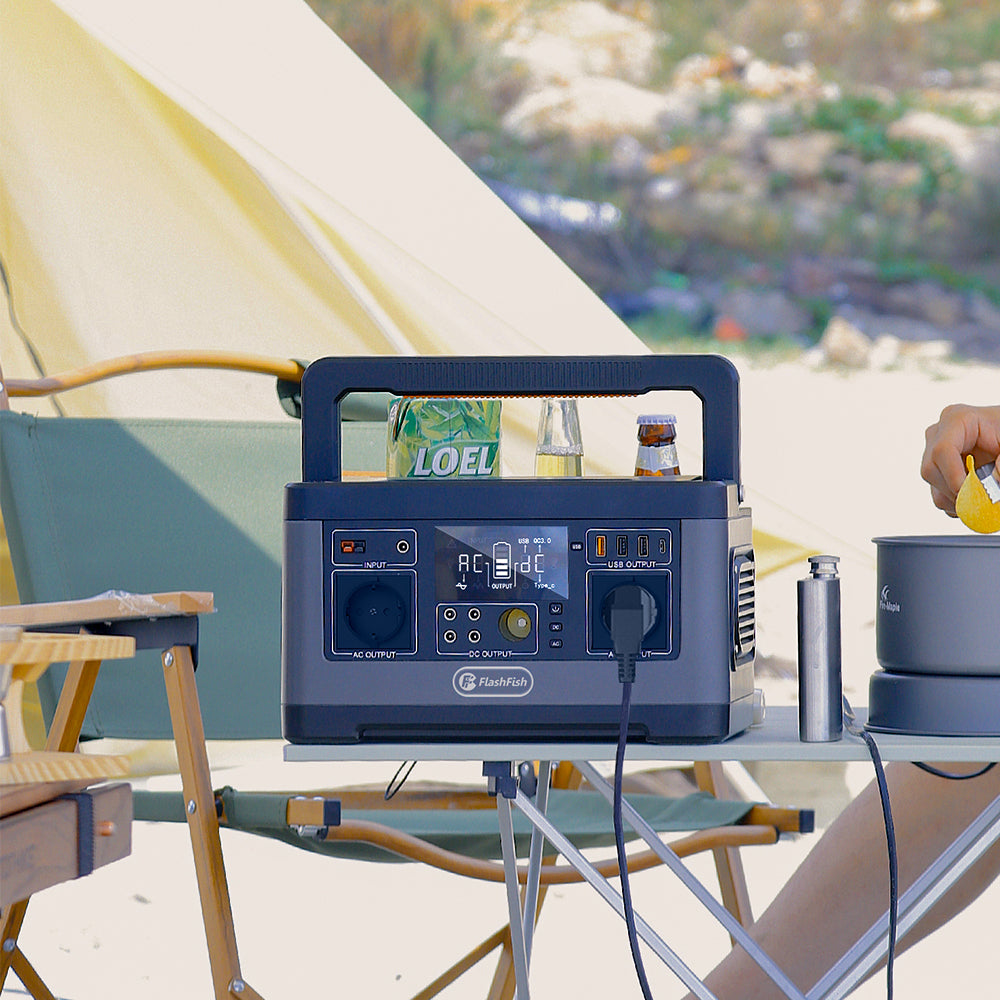
Compare the pump label, supplied power path, manufacturer instructions, and station output record before reaching an air-mattress-pump conclusion.

How to Read Projector and Speaker Load Labels Before Choosing a Portable Power Station
Record each projector and speaker label before comparing the complete setup with documented portable power station limits.