


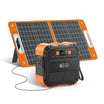
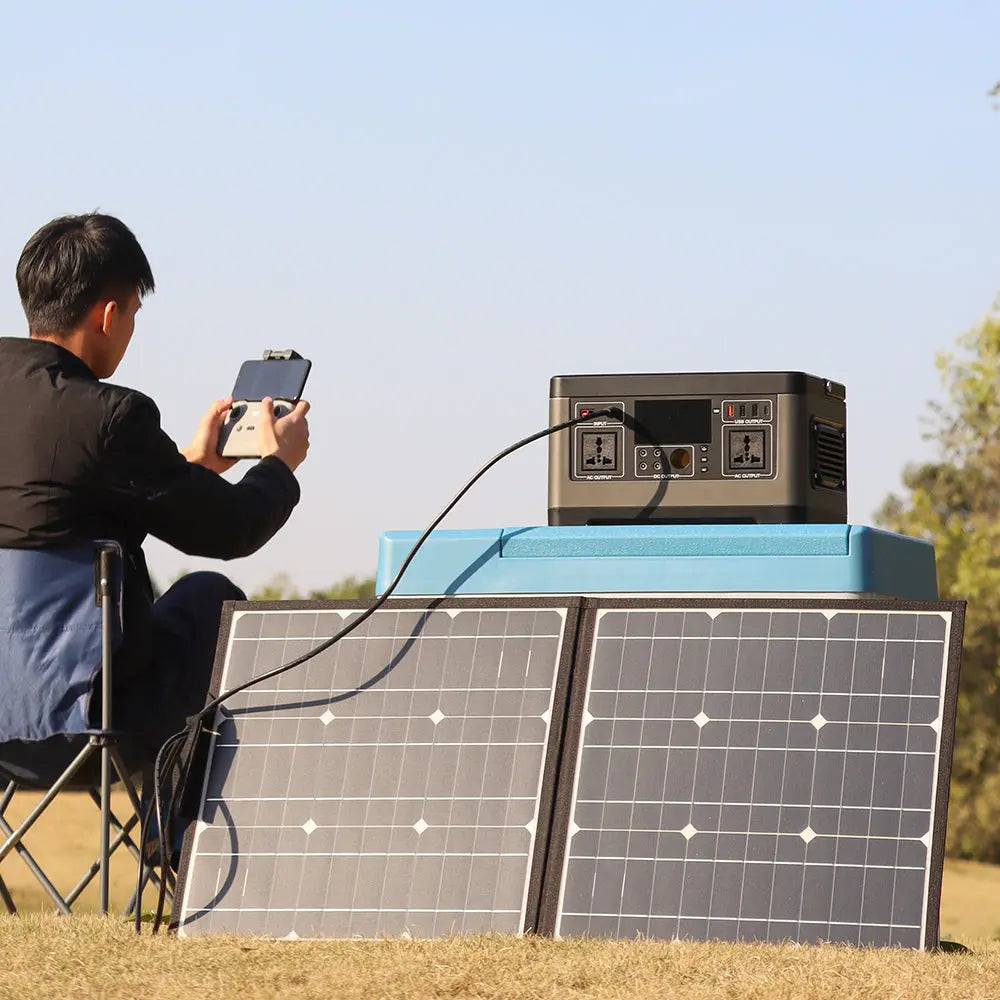
Quick answer: Choose a camping power station by listing the devices first. Check each label for running watts, startup demand, voltage, waveform sensitivity, connector, and expected hours. Then compare output and ports before comparing capacity. Weight and charging input matter when the station must be carried or replenished away from a wall outlet.
Start with the campsite load list
Phones, cameras, lights, laptops, fans, pumps, and coolers do not share one standard power requirement. Record the exact charger or device label. Keep a separate list for loads with motors or compressors because their startup demand may exceed the normal running value.
Separate output, waveform, and capacity
Continuous output determines whether a station can support a load while it is running. Peak output is a short-duration record, not a continuous target. Waveform matters when a device manufacturer requires pure sine AC. Capacity is stored energy and supports a runtime estimate only after the output check passes.
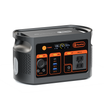
Verified compact FlashFish records
FlashFish E200
151Wh capacity, 200W continuous and 400W peak modified sine wave AC output, and approximately 1.85kg weight. Its solar/DC input is listed at 11-24V and 40W maximum. Use it only with devices that accept its documented waveform and limits.
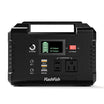
FlashFish E103
179.2Wh LiFePO4 capacity, 300W continuous and 600W peak pure sine wave AC output, 60W USB-C, and approximately 3kg weight. Its DC input is listed at 12-30V, 4A, 90W maximum.
FlashFish T300PRO
230Wh LiFePO4 capacity, 300W continuous and 600W peak pure sine wave AC output, 100W USB-C, and 4.5kg weight. Its solar input is listed at 12-30V, 8A, 120W maximum.
Verified higher-capacity FlashFish records
FlashFish T1200S
768Wh LiFePO4 capacity, 1200W continuous and 2400W peak pure sine wave AC output, and 12.45kg weight. Anderson solar input is listed at 12-50V, 10A, 400W maximum.
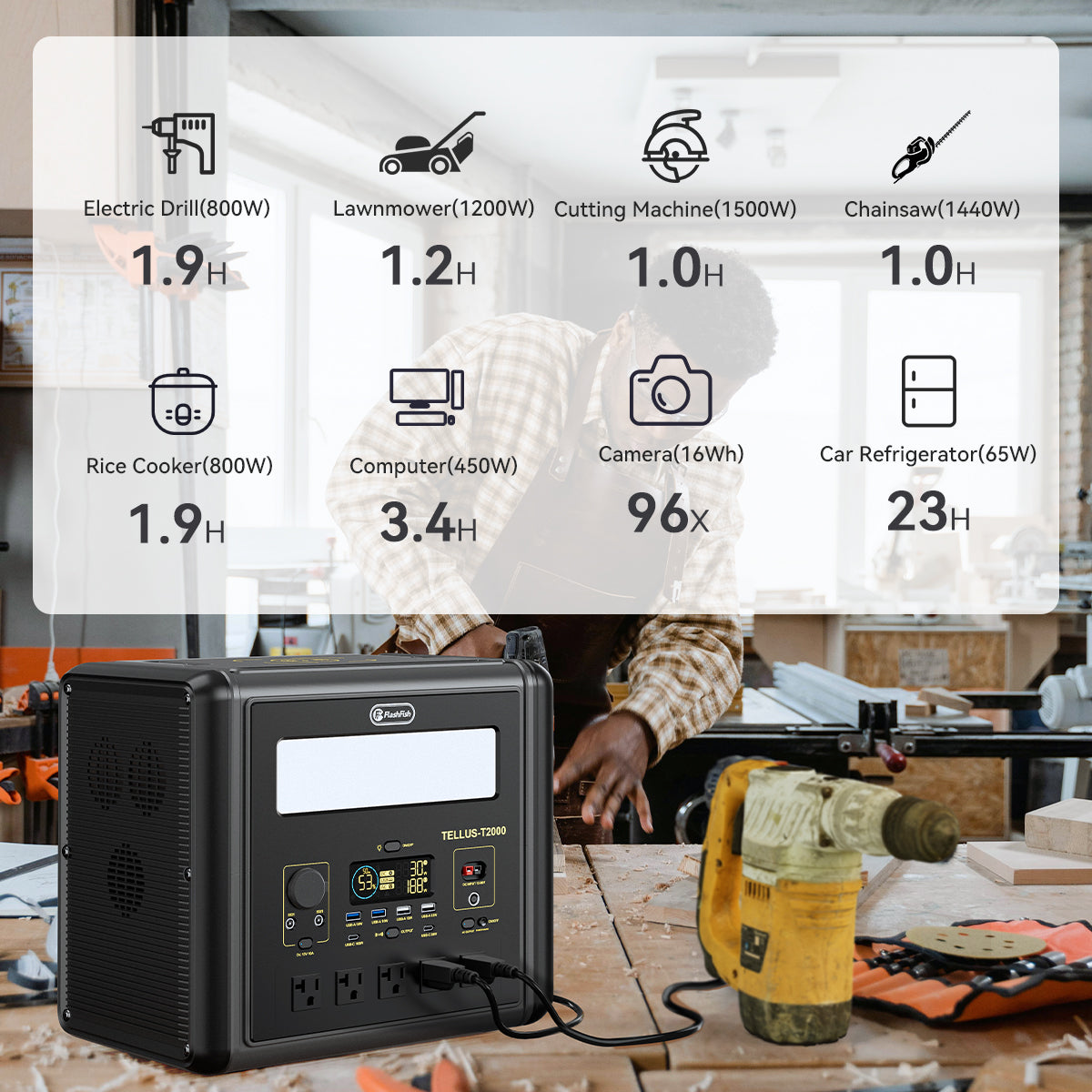
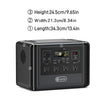
FlashFish T2000
1536Wh LiFePO4 capacity, 2000W continuous and 4000W peak pure sine wave AC output, and 19.2kg weight. Anderson solar input is listed at 12-80V, 10A, 600W maximum.
Plan solar charging as a variable input
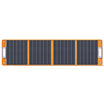
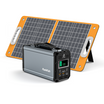
Panel wattage alone does not establish compatibility. Check voltage range, current, connector, polarity, and station maximum. Shade, clouds, panel angle, temperature, and daylight can reduce charging, so test the panel and station together before a trip.
Camping setup checklist
- Charge the station and small devices before departure.
- Pack the documented cables and adapters.
- Keep the station dry, stable, shaded from extreme heat, and ventilated.
- Test the complete load list at home.
- Use campsite electrical and generator rules as separate requirements.
Compare current listings in the FlashFish portable power station collection and portable solar panel collection. Use the exact manual for the selected model.
Frequently asked questions
Should I choose by watts or watt-hours?
Use watts and waveform to screen compatibility first, then use watt-hours to estimate duration.
Is a heavier station always the right choice?
No. Additional capacity and output must solve a documented need that justifies the added size and weight.
Does solar guarantee continuous campsite power?
No. Solar input varies with conditions and the complete panel-to-station match.



Leave a comment
เว็บไซต์นี้ได้รับการคุ้มครองโดย hCaptcha และมีการนำนโยบายความเป็นส่วนตัวของ hCaptcha และข้อกำหนดในการใช้บริการมาใช้