



Quick answer: Choose a spring break power station from the devices you will actually carry, their labeled watts, the ports they require, and how you will recharge. For a road trip, weight, vehicle storage, heat, moisture, and cable management matter as much as capacity.
Build the device list before choosing a model
| Trip item | Record before departure | Planning limit |
|---|---|---|
| Phone and camera | Charger type and energy per charge | No fixed number of charges without testing |
| Laptop | AC adapter or USB-C input rating | Port maximum must match the charging path |
| Light or fan | Running watts and planned hours | Motor loads can change draw |
| Cooler or fridge | Running watts and startup behavior | Do not make food-safety plans from a retail estimate |
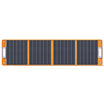
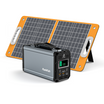
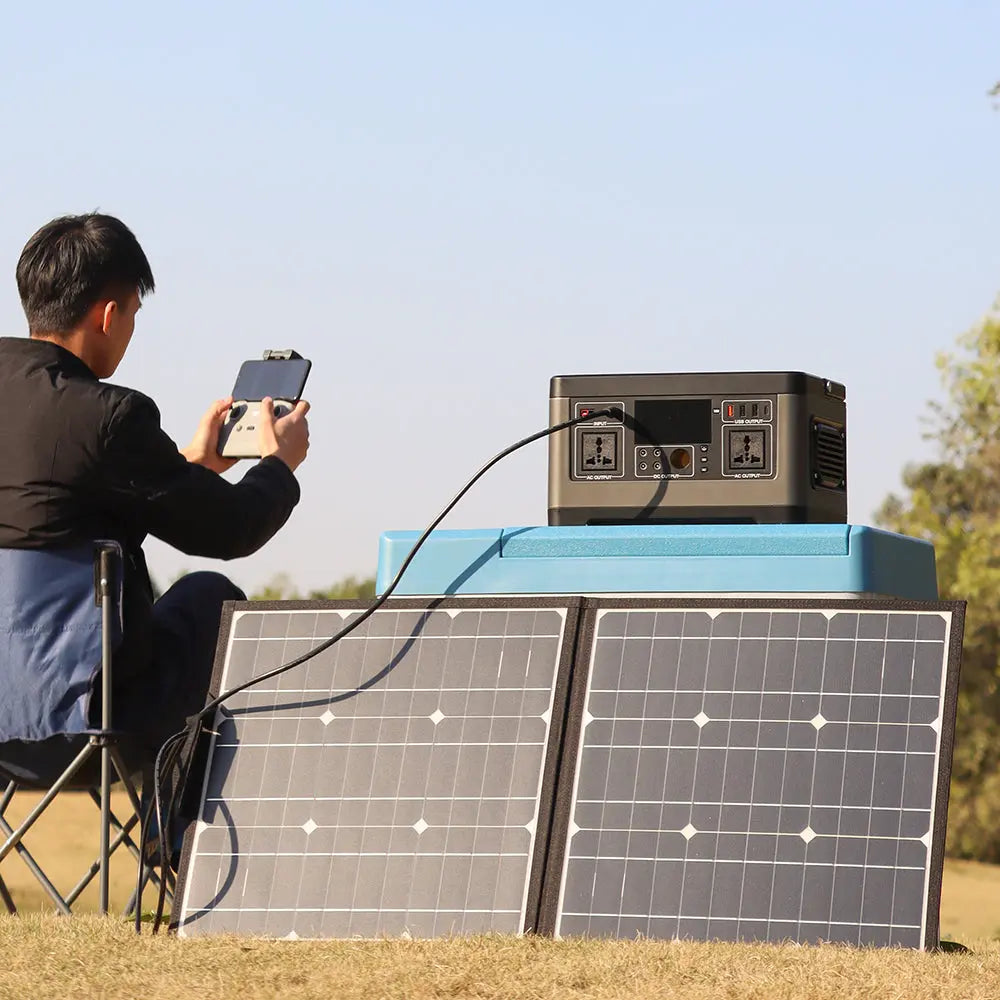
| Solar panel | Voltage, current, connector, and placement | Sun and weather make output variable |
A compact verified example
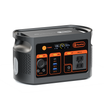
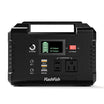
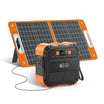
The FlashFish E200 database record lists 151Wh capacity, 200W continuous and 400W peak AC output, modified sine wave AC, about 1.85kg net weight, and up to 40W solar input. Its manual warns against treating it as long-term power for motor loads such as refrigerators, microwaves, and compressors.
This makes E200 a comparison point for selected light loads after label checks, not a general appliance or durability claim. Review larger models through the portable power station collection when the verified load exceeds the compact class.
Use a label-first energy estimate
Multiply each device's verified watts by planned hours to estimate theoretical watt-hours. Add the devices used together, then leave reserve for conversion loss, standby consumption, changing draw, temperature, and detours. Test the exact setup before travel.
Pack for a road trip, not an advertising scene
- Secure the station so it cannot slide, tip, or be struck by loose cargo.
- Do not leave it in a hot parked vehicle or direct sun.
- Keep vents open and keep the station dry.
- Inspect the enclosure, ports, and cables before use.
- Use only charging paths allowed by the exact model documentation.
Check airline rules separately
Do not assume that a portable station can travel by air. The FAA says spare lithium-ion batteries and power banks are limited by watt-hour rating, with batteries above 160Wh prohibited on passenger aircraft and some 101-160Wh batteries requiring airline approval. Airlines can be stricter. Review current FAA PackSafe lithium battery guidance and contact the airline before packing.
Frequently asked questions
Is the lightest station always the right travel choice?
No. A light station may not have enough output, capacity, waveform, or ports for the verified load.
Can I leave a power station charging in a parked car?
Follow the exact product manual and avoid prolonged extreme heat. Do not leave charging equipment unattended in an unsuitable environment.
Can a 151Wh station go on a flight?
Do not infer permission from capacity alone. Check the current FAA rules, airline approval requirements, battery type, packaging, and carrier-specific policy.

Leave a comment
เว็บไซต์นี้ได้รับการคุ้มครองโดย hCaptcha และมีการนำนโยบายความเป็นส่วนตัวของ hCaptcha และข้อกำหนดในการใช้บริการมาใช้